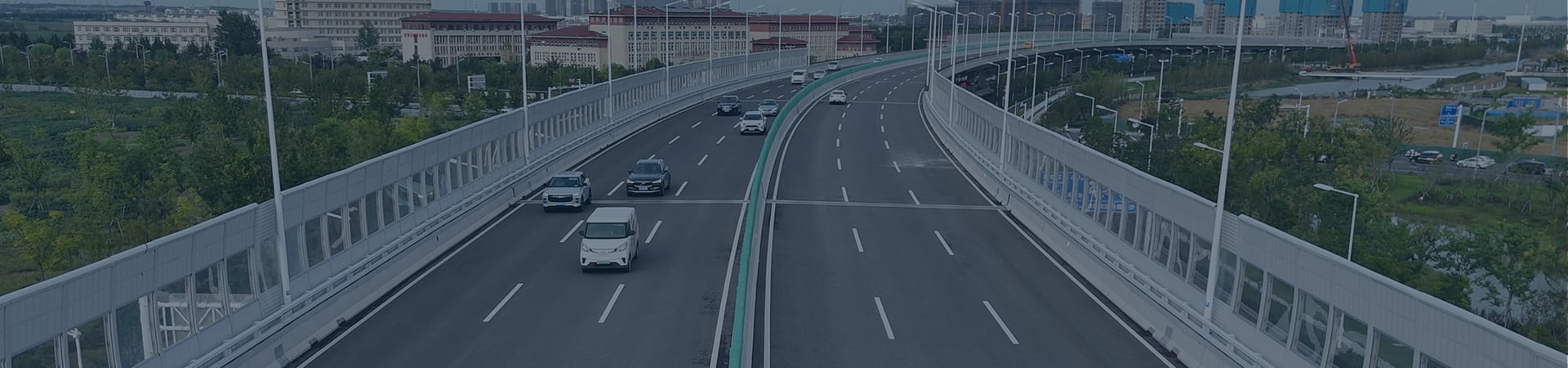
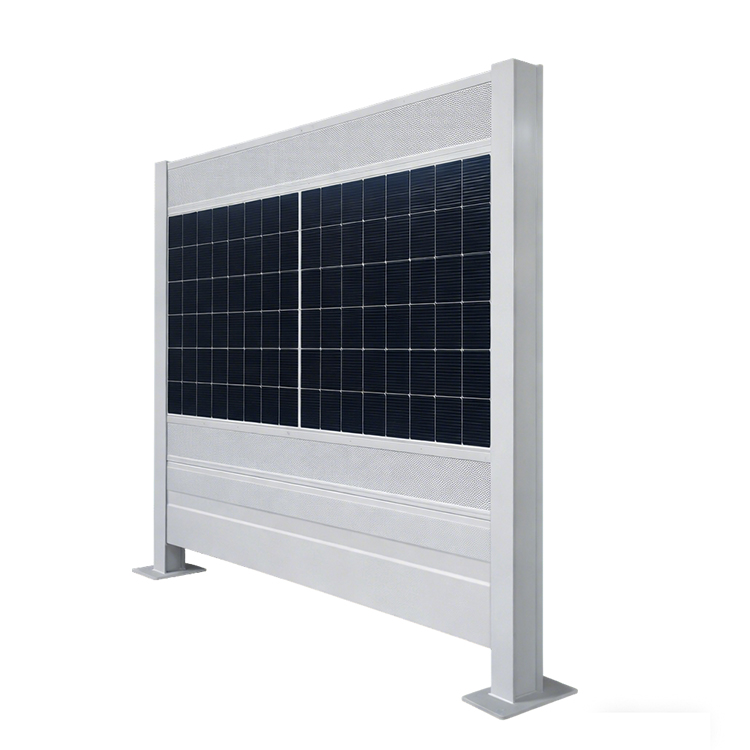
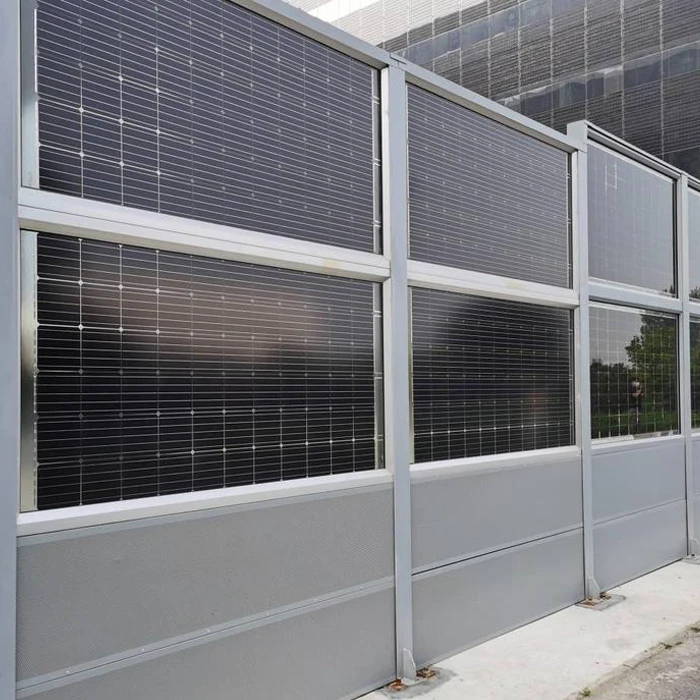
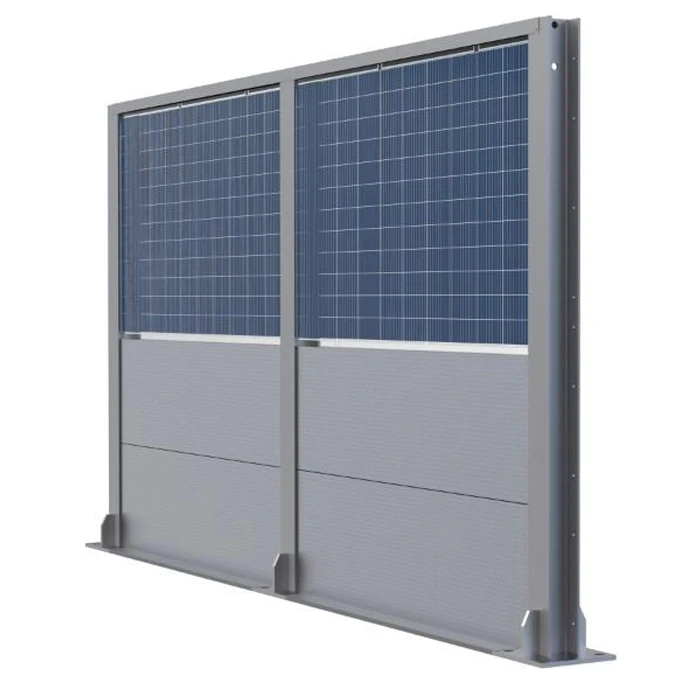
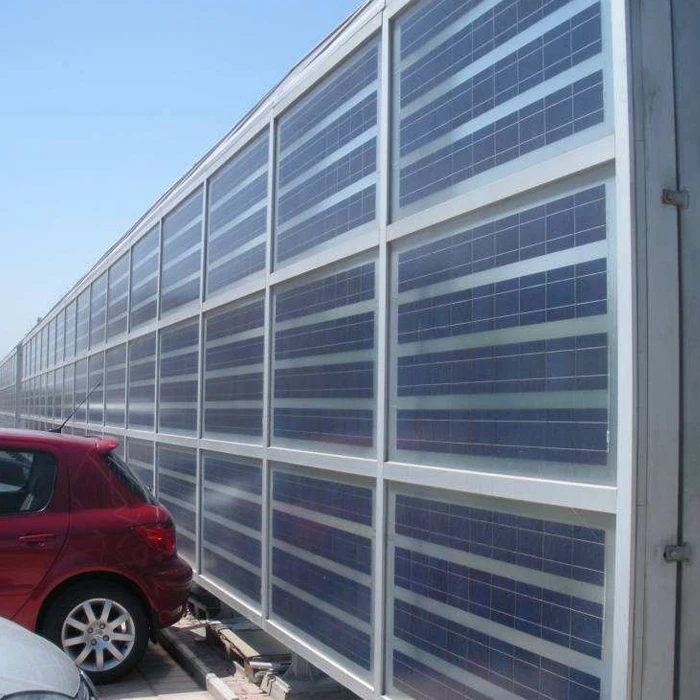
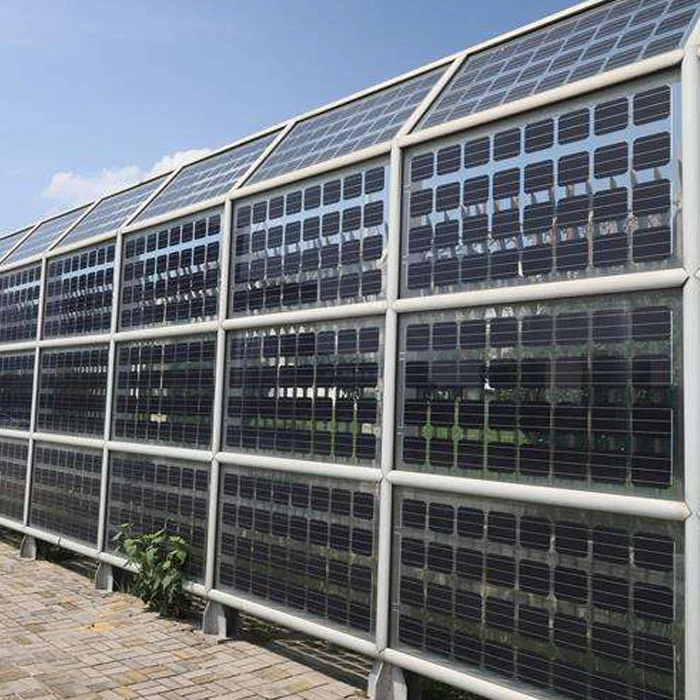
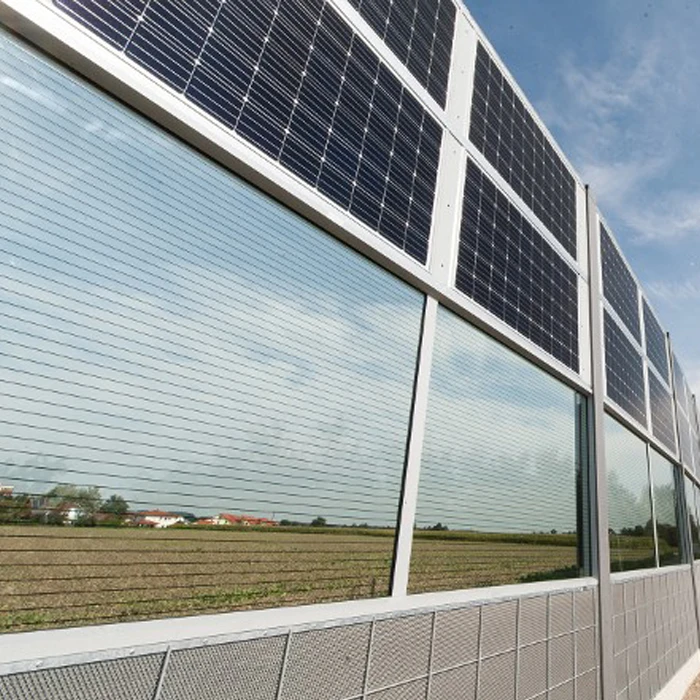
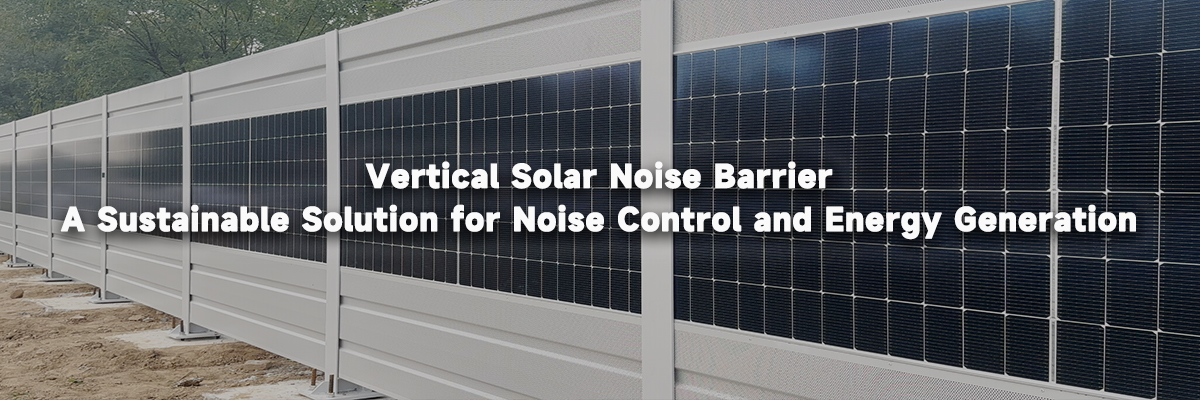
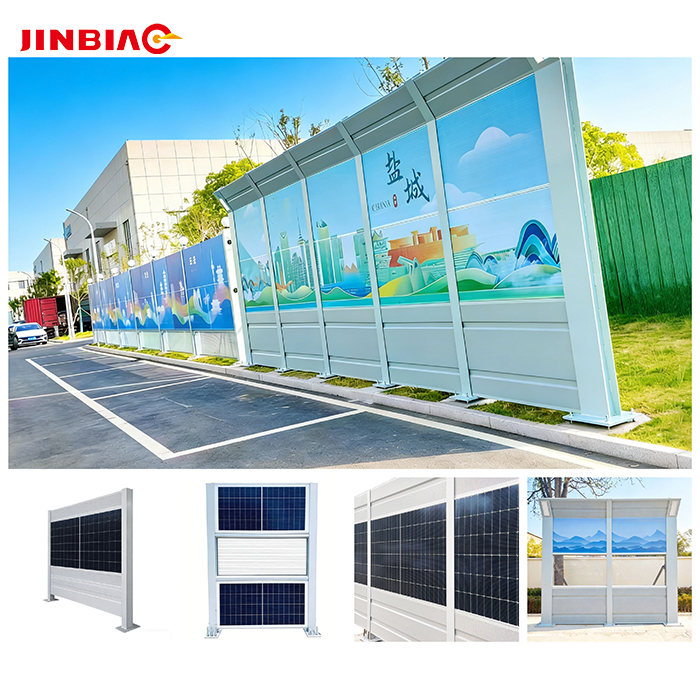
The sound absorptive solar highway noise barrier integrates advanced acoustic materials with photovoltaic technology, providing both effective noise reduction and renewable energy generation. It is an ideal solution for modern highway and infrastructure projects seeking sustainability, efficiency, and long-term performance.
BRAND |
JINBIAO |
PRODUCT NAME |
SOUND BARRIERS |
MATERIAL |
ALUMINUM SHEET/GALVANIZED SHEET |
MATERIAL THICK |
0.6-2.0MM |
STANDARD DIMENSION |
500X2000X80MM |
FINISH |
POWDER PAINT RAL COLORS |
POST |
H STEEL POST |
1.What is the acoustic solar highway sound barrier?
It is a multi-functional road facility that combines noise control and photovoltaic power generation functions. Unlike traditional sound barriers, it not only effectively absorbs traffic noise but also utilizes the south-facing (or suitable direction) facade space for solar power generation, providing green electricity for highway lighting, surveillance, toll booths and other facilities.
2. How does it achieve both sound absorption and power generation simultaneously?
This barrier is composed of multiple modules:
Sound-absorbing layer: Usually made of micro-porous aluminum fibers, rock wool sandwich panels or porous ceramic materials, it is placed on the side facing the road to absorb the noise generated by vehicles.
Photovoltaic module: The photovoltaic panels installed on the top of barriers, on inclined surfaces or between sound insulation boards, convert sunlight into electricity.
Structural Layer: A metal frame or high-strength concrete support structure is adopted to ensure that the wind resistance and impact resistance meet the safety standards for highways.
3. How effective is the noise reduction effect of this sound barrier?
According to the material and structural design, its weighted sound insulation level (Rw) can reach over 30-35 dB, and the sound absorption coefficient (NRC) is usually between 0.7 and 0.9. It can effectively reduce the traffic noise impact on the surrounding residential areas and meets the "Sound Environmental Quality Standard" (GB 3096-2008) and relevant highway sound barrier design specifications.
4. How much electricity can the solar energy part generate? And where is it used?
Taking a barrier of each kilometer as an example, if a photovoltaic system of 500–800 kWp is installed, the annual average electricity generation is approximately 50–80 thousand kilowatt-hours. The generated electricity can be used through grid connection or off-grid methods for:
Road tunnel and ramp lighting
Traffic monitoring equipment, electronic information boards
Service area charging station
Connect to the power grid nearby to achieve "self-generation for self-use, with surplus power fed back to the grid"
5. Which national or industry standards does this product comply with?
The product design usually follows the following standards:
Acoustic performance: GB/T 23451, ISO 140, ASTM E90
Photovoltaic modules: IEC 61215, IEC 61730
Traffic safety facilities: JTG D81 (Design Specifications for Road Traffic Safety Facilities)
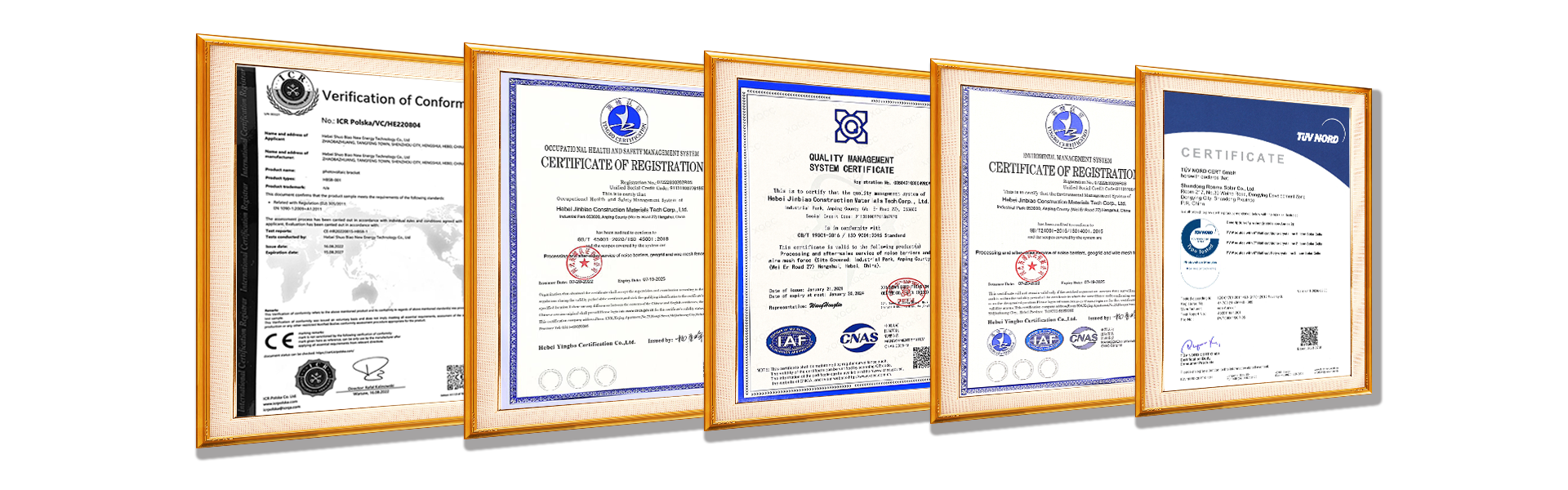
Structural safety: The wind resistance, earthquake resistance and impact resistance capabilities must be certified through type testing.


 EN
EN