 EN
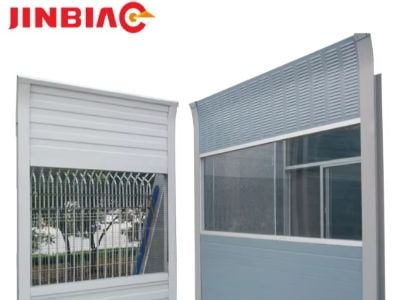
Noise barriers are essential components in mitigating sound pollution, particularly in urban environments and near transportation infrastructures. Hebei Jinbiao Construction Materials Tech Corp., Ltd., a leader in manufacturing traffic safety materials, specializes in providing high-quality noise barriers tailored for highways, railways, and municipal projects. Buyers often face concerns regarding material specifications, installation requirements, and overall effectiveness of these barriers. This article aims to provide insights into selecting the right noise barriers for various applications, ensuring that purchasing managers and project planners can make informed decisions.




How to Evaluate the Quality of Construction Materials from Suppliers
Evaluating the quality of construction materials, particularly for noise barriers, involves several steps. Buyers should focus on certifications such as ISO 9001, which indicates a quality management system, and ISO 14001, which highlights environmental management practices. Hebei Jinbiao, with its ISO certifications, exemplifies commitment to quality and sustainability, reassuring buyers of product excellence.
Additionally, examining material specifications is crucial. Key attributes include thickness, density, and noise reduction coefficients. For instance, a denser material generally provides better sound insulation. Buyers should request detailed product data sheets and test results to ensure that the materials meet their specific project requirements.
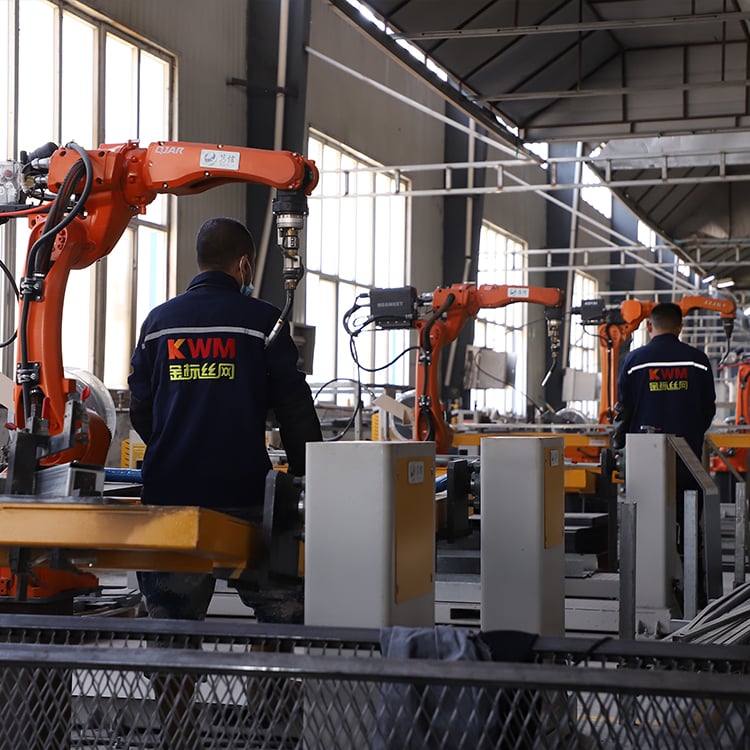
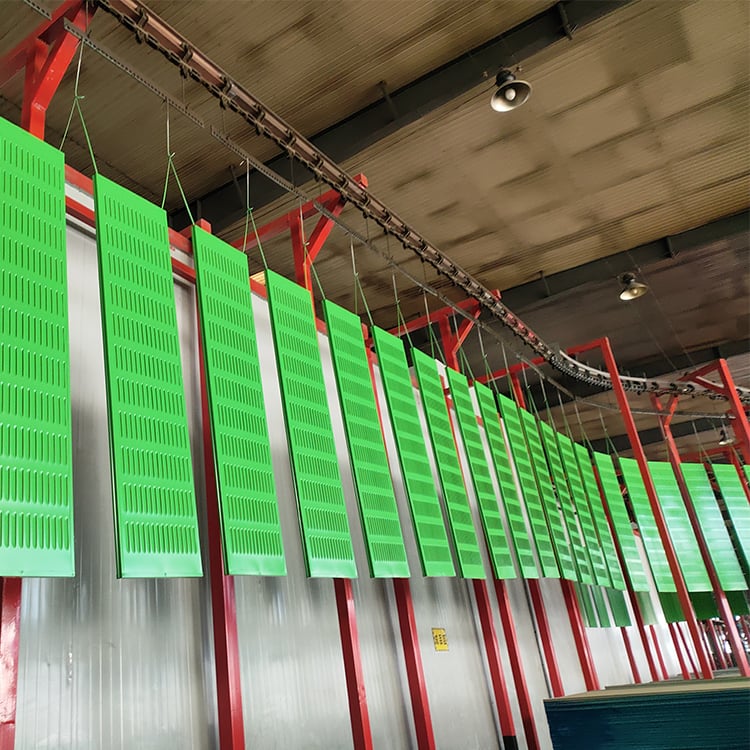
Furthermore, it’s advisable to assess supplier capabilities by reviewing their production processes and quality control measures. A manufacturer’s ability to consistently produce high-quality materials is often reflected in their production techniques and equipment. Engaging in discussions with suppliers about their quality assurance processes can provide further insights into their reliability.