
 EN
EN
In today’s industrial and residential design, fencing is no longer just a tool for marking boundaries. It must not only provide reliable security and privacy but also enhance the overall visual appeal of a property.
If you are looking for a solution that delivers both high-level protection and a modern aesthetic upgrade, the 3D wire fence is a choice you should not overlook.
What Is a 3D Wire Fence?
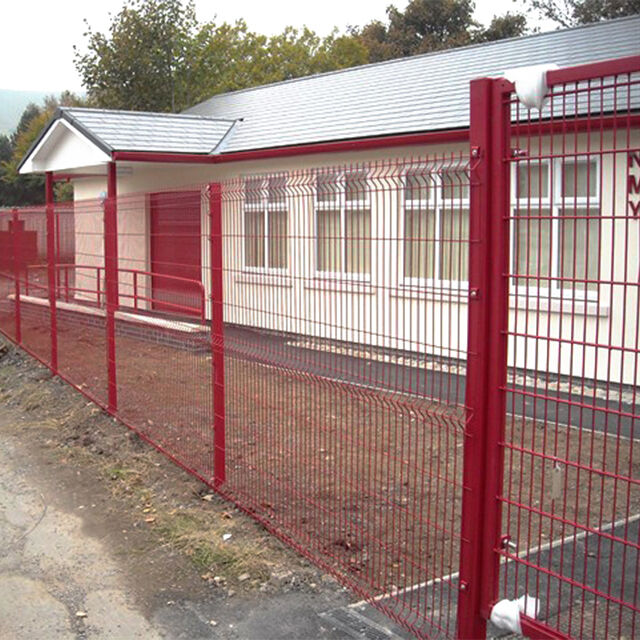
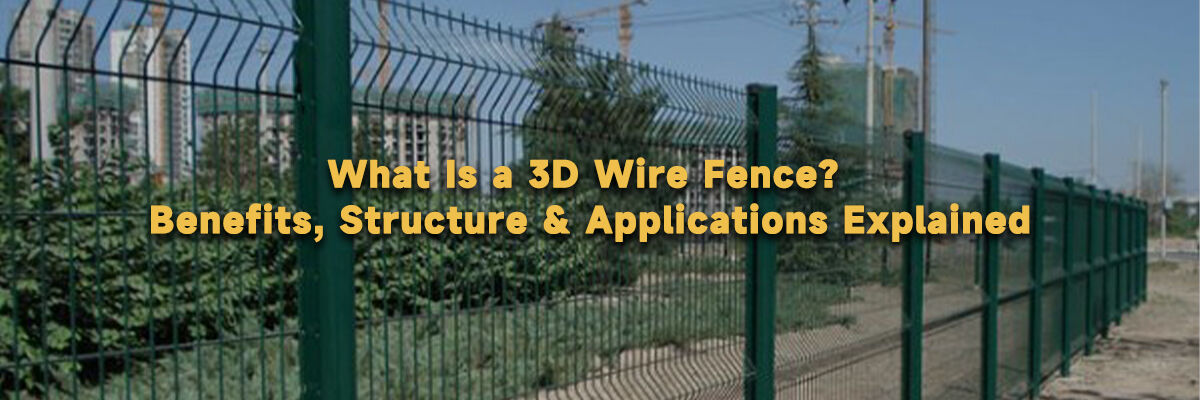
A 3D wire fence, also known as a 3D welded fence or curved mesh fence, is typically made from high-strength galvanized steel wires that are welded together and formed with distinctive “V-shaped” bends.
Unlike traditional flat fences, the surface of a 3D fence features structured curves. This design not only creates a more dynamic appearance but also significantly improves the mechanical strength of the fence.
Key Advantages of 3D Wire Fence
1. Superior Strength and Anti-Climbing Performance
One of the most important advantages of a 3D fence is its structural strength. The V-shaped bends enhance rigidity and distribute impact forces effectively, preventing deformation under pressure.
Additionally, the design minimizes footholds, making it much more difficult to climb—especially when combined with barbed wire or angled extensions for higher security requirements.
2. Modern Aesthetics and High Visibility
3D wire fences are known for their clean lines and industrial-modern appearance. They are commonly coated in green or grey powder finishes, allowing them to blend seamlessly into natural surroundings.
Compared to solid walls, they offer excellent visibility and airflow, maintaining an open and spacious feel. This makes them ideal for villas, sports facilities, and high-end industrial parks.
3. Long Service Life with Minimal Maintenance
High-quality 3D fences typically feature a double anti-corrosion treatment:
-
Hot-dip galvanization
-
High-adhesion powder coating
This combination provides excellent resistance to weather, UV exposure, and corrosion, ensuring a lifespan of 15–20 years or more with very low maintenance requirements.
4. Easy Installation and Strong Adaptability
Thanks to their modular design, 3D fences are easy to transport and install. They can adapt to various terrains, including slopes and uneven ground, by adjusting post heights to maintain a consistent and level fence line.
Applications of 3D Wire Fence
Due to its excellent performance and visual appeal, 3D fencing is widely used in:
-
Transportation infrastructure: highways and railways
-
Public facilities: schools, parks, stadiums, and airports
-
Industrial areas: factories, warehouses, logistics parks
-
Residential properties: villas and high-end housing communities
Manufacturing Process Overview
Understanding the production process helps ensure confidence in product quality:
-
High-quality raw material: low-carbon steel wire for flexibility and strength
-
Precision welding: automated welding ensures uniform mesh and strong joints
-
3D bending: specialized machinery forms reinforcing curves
-
Surface treatment: degreasing, phosphating, cleaning, and electrostatic powder coating followed by high-temperature curing for maximum coating adhesion
Conclusion
Choosing the right fence means choosing a balance between security, functionality, and design.
A 3D wire fence is not just a physical barrier—it is a modern solution that combines engineering strength with visual elegance. It protects your property while enhancing its overall appearance.
If you are planning a new security system or upgrading an existing fence, the 3D wire fence is a smart and future-proof investment.