Choosing the Right Anti Climb Fence for Security

All Categories

Get a Free Quote

Our representative will contact you soon.
Email
Name
Company Name
Message
0/1000

Anti climb fence

Anti climb fences are essential security solutions designed to prevent unauthorized access to properties, ensuring safety in various environments. As a B2B buyer, your primary concerns may include the effectiveness, durability, and compliance of these fences with industry standards. This anti climb fences will guide you through the critical factors to consider when selecting anti climb fences, helping you make informed purchasing decisions for your projects. 

Our Products

Key Specifications to Consider for Anti Climb Fence Selection

Key Specifications to Consider for Anti Climb Fence Selection

Several specifications will significantly impact the performance of anti climb fences. Here are some key factors to evaluate: 

Material: Common materials include steel, aluminum, and composite materials. Steel offers exceptional strength and durability, while aluminum is lightweight and resistant to corrosion. Choose a material that aligns with the environmental conditions it will face, such as moisture or extreme temperatures. 

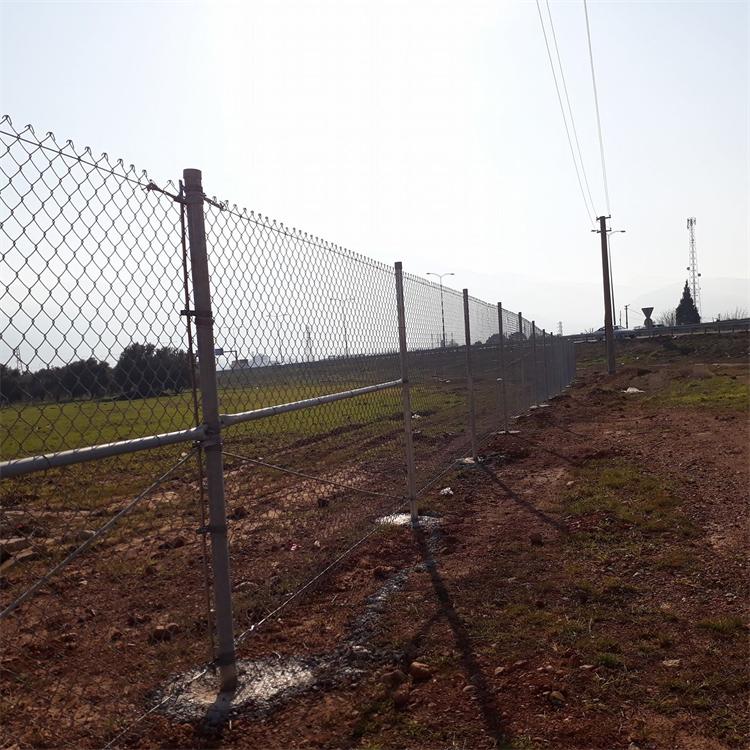
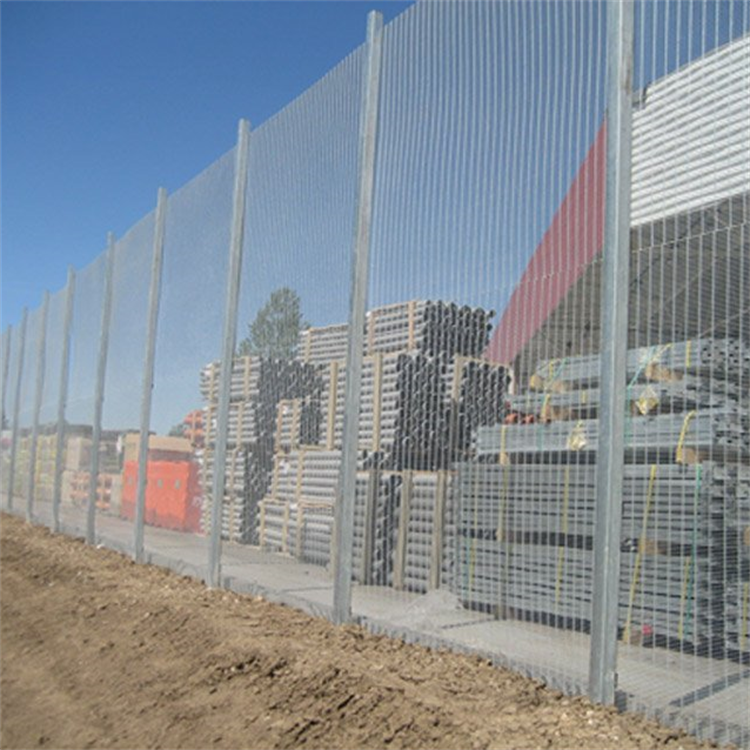
Height: The height of the fence is a critical factor. Industry standards typically recommend a minimum height of 2 meters for effective anti-climb capability. Higher anti climb fence materials may require additional structural support, which should be discussed with your manufacturer. 

Gauge: The thickness of the fencing material, measured in gauge, directly influences its strength. A lower gauge number signifies a thicker material, which can provide greater resistance to cutting and climbing. 

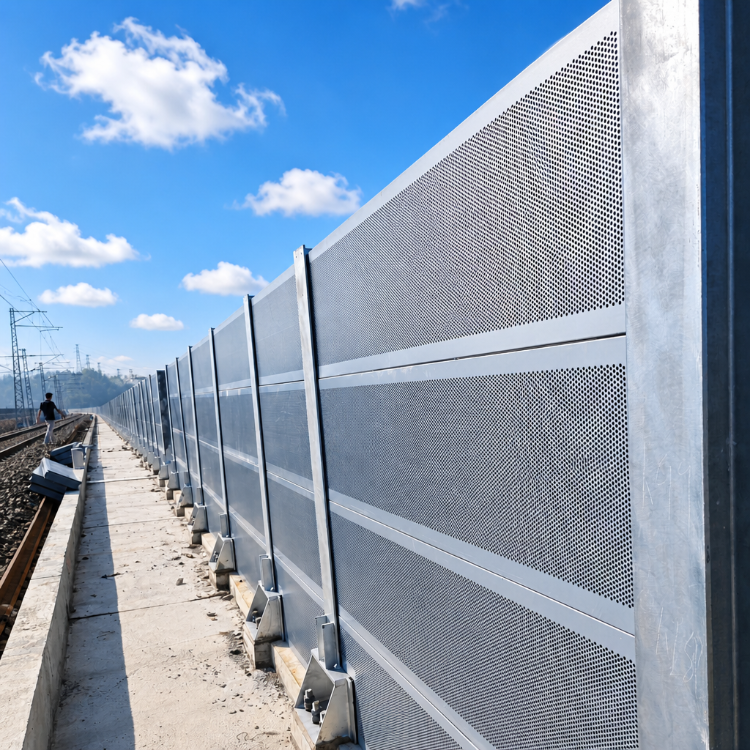
Coating: Protective coatings, such as galvanization or powder coating, can enhance corrosion resistance and prolong the life of the fence. Ensure that the coating is appropriate for the specific environmental conditions. 

Evaluating these specifications will help ensure that the anti climb fence you choose meets the performance requirements of your project. 
Common Problems with Anti Climb Fences and Their Solutions

Common Problems with Anti Climb Fences and Their Solutions

While anti climb fences are designed to offer security, certain challenges may arise during their use. Here are some common problems and their solutions: 

Rust and Corrosion: Over time, fences, particularly those made of untreated steel, can succumb to rust. To mitigate noise control barrier, ensure that the fence is coated with a rust-resistant finish and conduct regular maintenance checks. 

Installation Challenges: Improper installation can compromise the fence's effectiveness. It’s vital to follow the manufacturer's guidelines for installation closely and consider hiring professional installers with experience in erecting anti climb fences. 

Environmental Damage: Extreme weather conditions can affect the integrity of the fence. Ensure that your chosen applications of anti climb fences is appropriate for the local climate and consider additional reinforcements in areas prone to severe weather. 

By proactively addressing these issues, you can enhance the longevity and effectiveness of your anti climb fence. 

Applications of Anti Climb Fences in Various Industries

Applications of Anti Climb Fences in Various Industries

Anti climb fences find applications across several industries, each with unique requirements: 

Commercial Properties: Retail spaces and corporate offices often use these fences to protect against theft and vandalism. Aesthetically pleasing options can be selected to maintain the property’s appearance while enhancing security. 

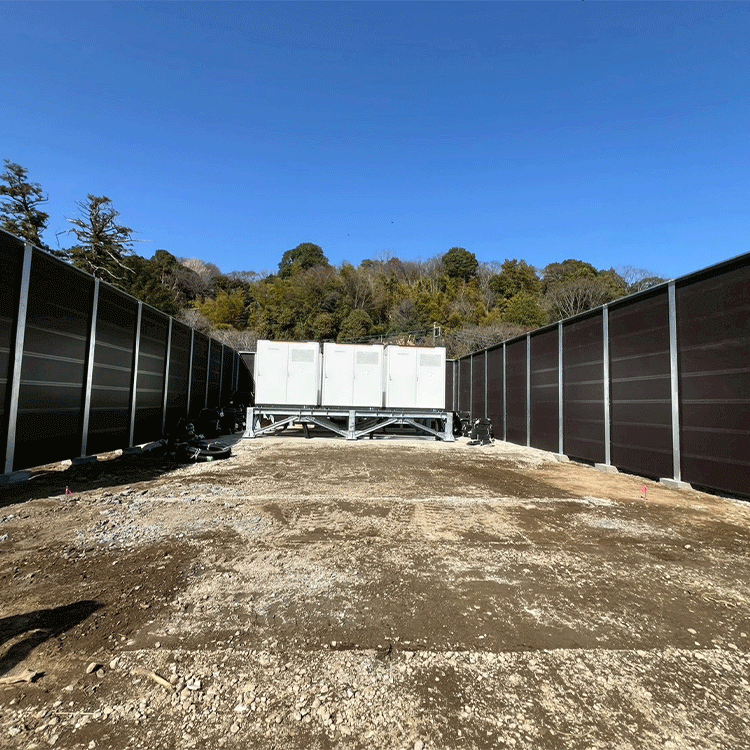
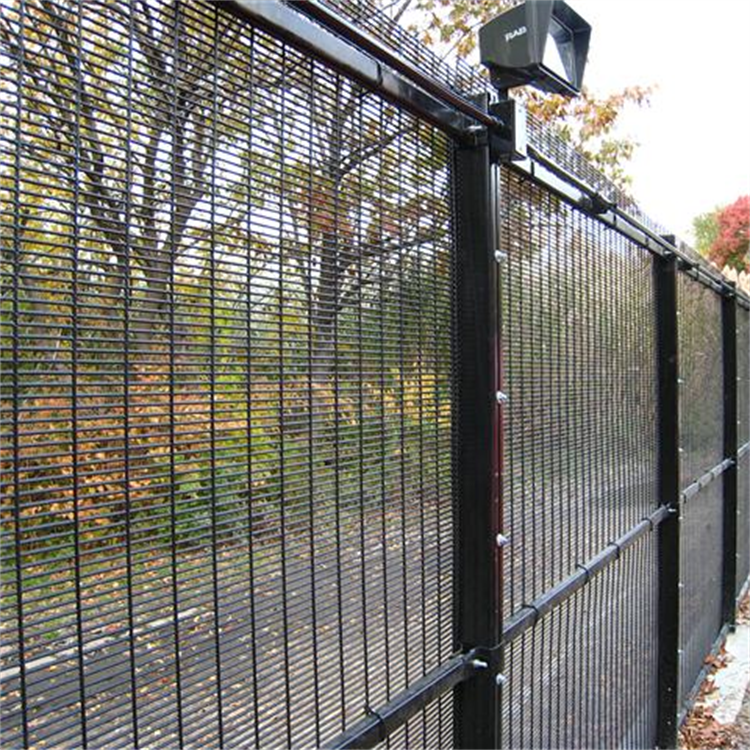
Industrial Sites: Factories and warehouses require robust fencing solutions that can withstand heavy impacts and deter unauthorized access. These hebei jinbiao construction materials  often benefit from high-security options that integrate with surveillance systems. 

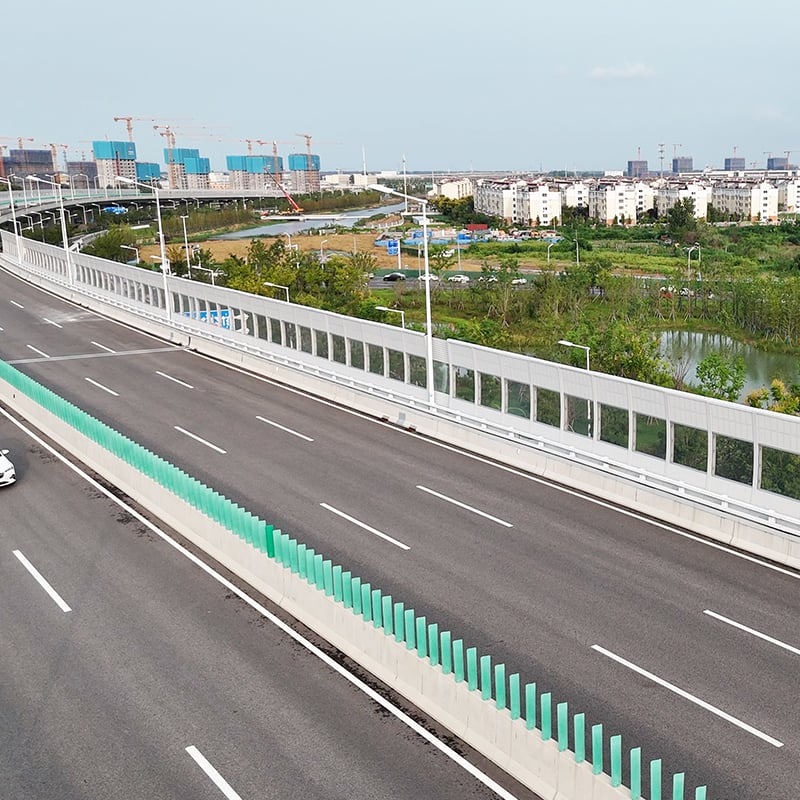
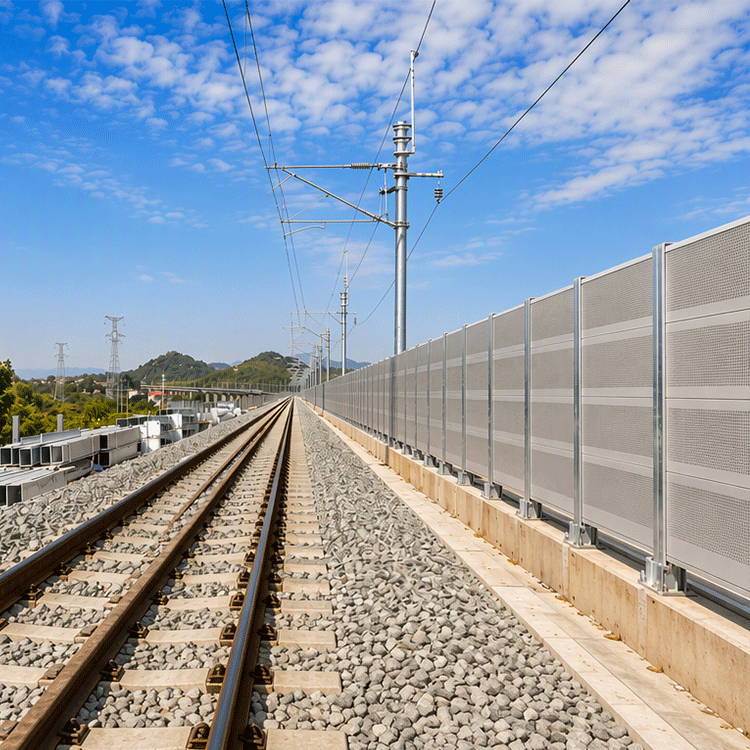
Transportation: Railways and highways utilize anti climb fences to secure the perimeters of tracks and roads, preventing unauthorized crossings that could lead to accidents. 

Public Infrastructure: Parks, schools, and municipal buildings often employ anti climb fences to ensure safety and restrict access to specific areas, such as playgrounds or utility zones. 

Understanding the specific needs of your industry will guide you in selecting the most suitable anti climb fence. 

Comparing Different Anti Climb Fence Materials and Their Benefits

When evaluating materials for anti climb fences, consider the following options and their respective benefits: 

Steel: Known for its strength and durability, steel is resistant to cutting and bending. It is ideal for high-security applications but requires protective coatings to prevent rust. 

Aluminum: Lightweight and corrosion-resistant, aluminum is suitable for environments where weather conditions could lead to rusting. While applications of anti climb fences may not be as strong as steel, modern aluminum designs often feature enhancements that improve security. 

Composite Materials: These materials are made from a combination of plastic and wood fibers, offering a balance between aesthetics and durability. hebei jinbiao construction  are often chosen for residential applications due to their appealing appearance and low maintenance. 

Welded Wire: This material provides a cost-effective solution while still delivering a degree of security. However, it may be less effective in high-risk areas compared to solid panels. 

Selecting the right material is crucial for ensuring the effectiveness and longevity of your anti climb fence, and it should be based on the specific demands of your project. 

By understanding the various aspects of anti climb fences, including their specifications, common issues, applications, and material options, you can make informed decisions that align with your project's security needs. 

What to Look for When Choosing Anti Climb Fences for Your Projects

When selecting anti climb fences, consider the primary purpose they will serve. Are they intended for commercial, industrial, or residential use? Different environments may require varying levels of security and durability. Look for fences that are specifically designed to withstand climbing attempts, made from materials that resist wear and tear, and engineered for long-term performance. 

It's crucial to assess the height and design of the fence. Higher fences with pointed tops or barbed wire can deter intruders more effectively. Additionally, consider whether the anti climb fence selection will require additional security features, such as surveillance systems or access control points, which can further enhance its effectiveness. 

Lastly, ensure that the supplier you choose has a solid reputation in the industry, with proven manufacturing capabilities and certifications, such as ISO 9001, to guarantee quality and reliability. 

Frequently Asked Questions

What is the anti climb fence designed for?

Our anti climb fence prevents unauthorized access and enhances perimeter security for highways, railways, municipal sites and industrial facilities through durable anti-climb features and robust materials.
We use high-strength steel and corrosion-resistant coatings, with options for galvanized or powder-coated finishes to ensure long service life and low maintenance in varied environments.
Yes. We provide design, production and installation services, and can customize height, panel style and coatings to meet project specifications and local standards.
Our products are manufactured under ISO 9001, 14001 and 45001 systems, ensuring consistent quality, environmental management and occupational health and safety compliance.
Yes. With experience supplying noise barriers and steel structures for highways and railways, our anti climb fence is engineered for roadside and railway perimeter applications.

Our Blog Posts

How Civil Noise Barrier Improves Residential Living Quality

29

Nov

How Civil Noise Barrier Improves Residential Living Quality

It’s hard for people who especially want a home that is quiet to live near busy roads or noisy places. Noise from traffic, construction and even loud conversations can prevent sleep or make it difficult to concentrate, and be stress-inducing. That’s ...
View More
Latest Trends in Transparent Bridge Noise Barrier Panels

01

Dec

Latest Trends in Transparent Bridge Noise Barrier Panels

Large clear bridge noise barrier panels are increasingly the norm on numerous bridges. These panels are sound-blocking in the sense that they do help muffle loud traffic, while still allowing light to get through. They want bridges to be safer and pr...
View More
What Is an Industrial Noise Barrier? A Practical Solution for Industrial Noise Control

14

Jul

What Is an Industrial Noise Barrier? A Practical Solution for Industrial Noise Control

1. What Is an Industrial Noise Barrier? An industrial noise barrier is essentially a specially designed wall used to “block sound.” It is installed between noisy industrial equipment and areas that need protection, such as offices, worksp...
View More
Transparent vs. Metal Noise Barrier: What Are the Differences and How to Choose?

21

Jul

Transparent vs. Metal Noise Barrier: What Are the Differences and How to Choose?

Introduction to Traffic Noise Control Solutions With the continuous development of highways, railways, bridges, and urban expressways, traffic noise has become a growing environmental concern. To improve the acoustic environment for nearby communitie...
View More

Get a Free Quote

Our representative will contact you soon.
Email
Name
Company Name
Message
0/1000

Related product categories

Get a Free Quote

Our representative will contact you soon.
Email
Name
Company Name
Message
0/1000