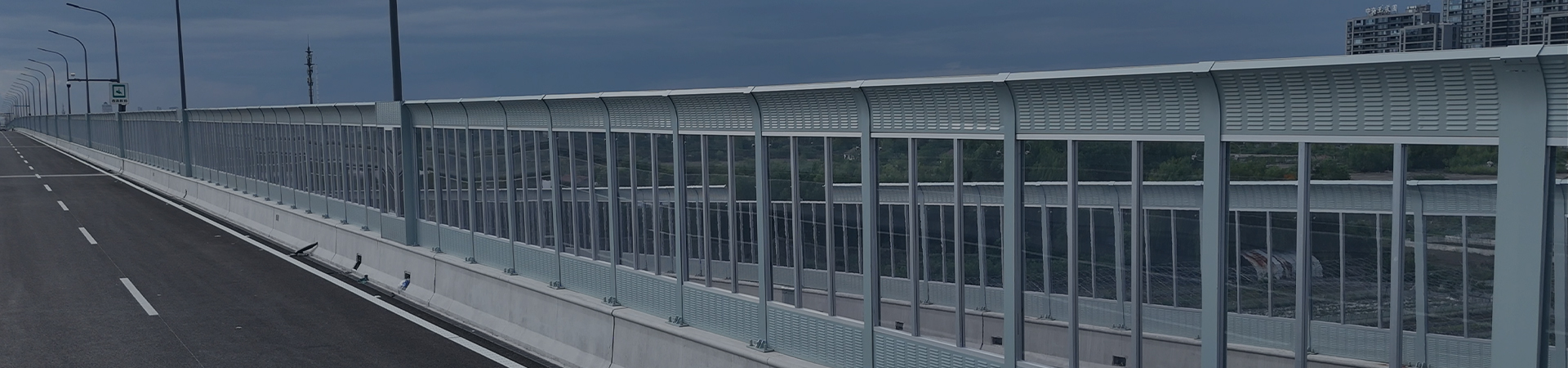
Discover our Japan Battery Energy Storage System (BESS) noise barrier project featuring a 4m dark gray micro-perforated acoustic barrier that reduces cooling fan, PCS and transformer noise while meeting strict Japanese environmental standards.
Project Overview
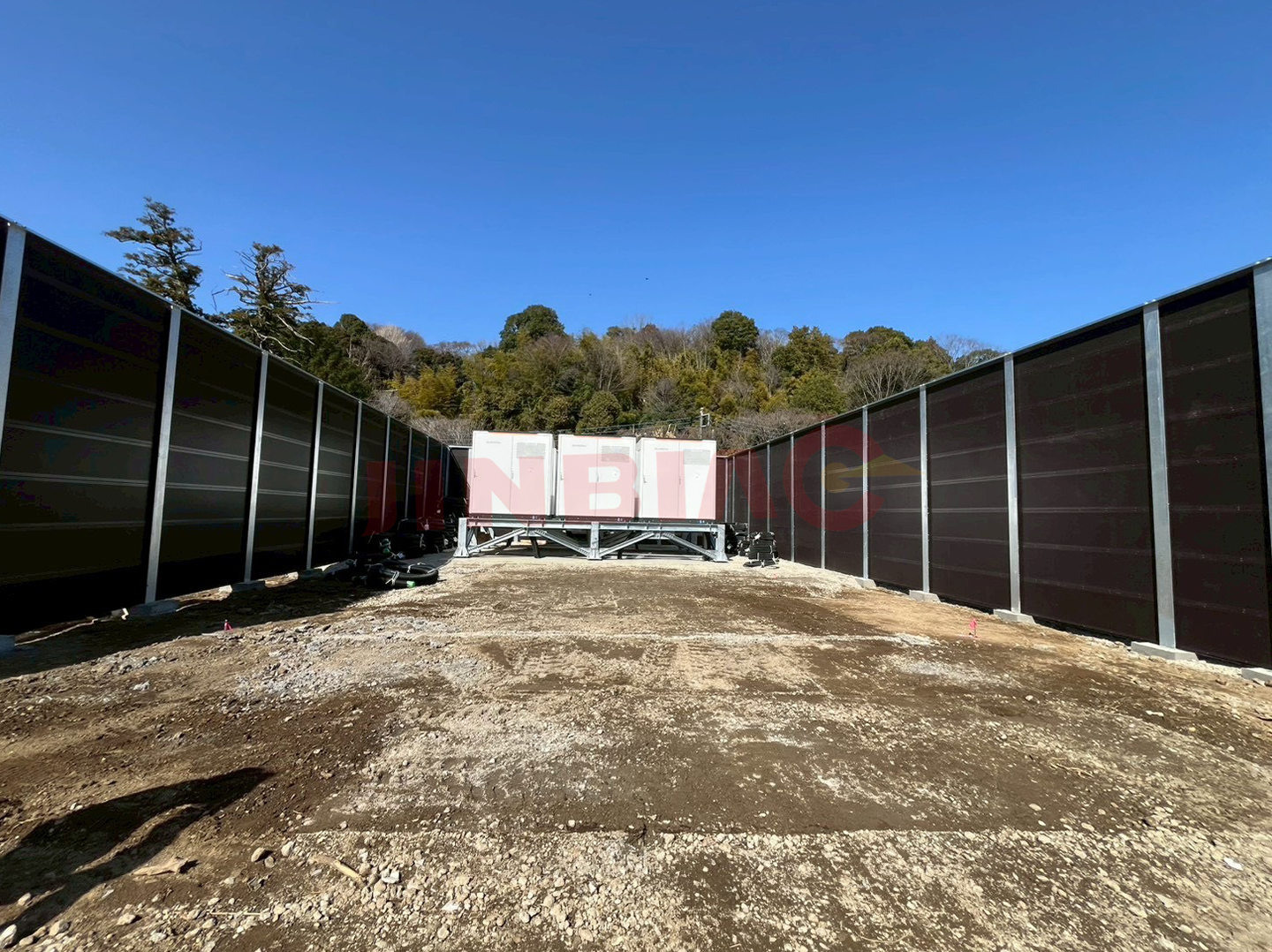
This project is located at a utility-scale Battery Energy Storage System (BESS) power station in Japan. The facility is equipped with lithium-ion battery systems, Power Conversion Systems (PCS), transformers, and supporting cooling equipment, with a rated output of several megawatts.
Residential communities are located close to the energy storage station. The continuous operation of the facility generates persistent noise, which has affected the surrounding acoustic environment and nearby residents' quality of life.
The primary noise sources at the BESS station are continuous and multi-source in nature. Cooling fans and ventilation systems generate medium- and high-frequency aerodynamic noise, while the PCS units and transformers produce electromagnetic noise and structural vibration. The combination of these noise sources creates a complex acoustic environment that requires comprehensive noise control.
Following detailed on-site acoustic surveys and professional environmental assessments, the project owner decided to install acoustic noise barriers along three sides of the energy storage station to effectively control noise propagation and ensure compliance with Japanese environmental noise regulations.
Project Specifications
Project Location: Japan
Application: Battery Energy Storage System (BESS) Noise Control
Noise Barrier Height: 4 meters
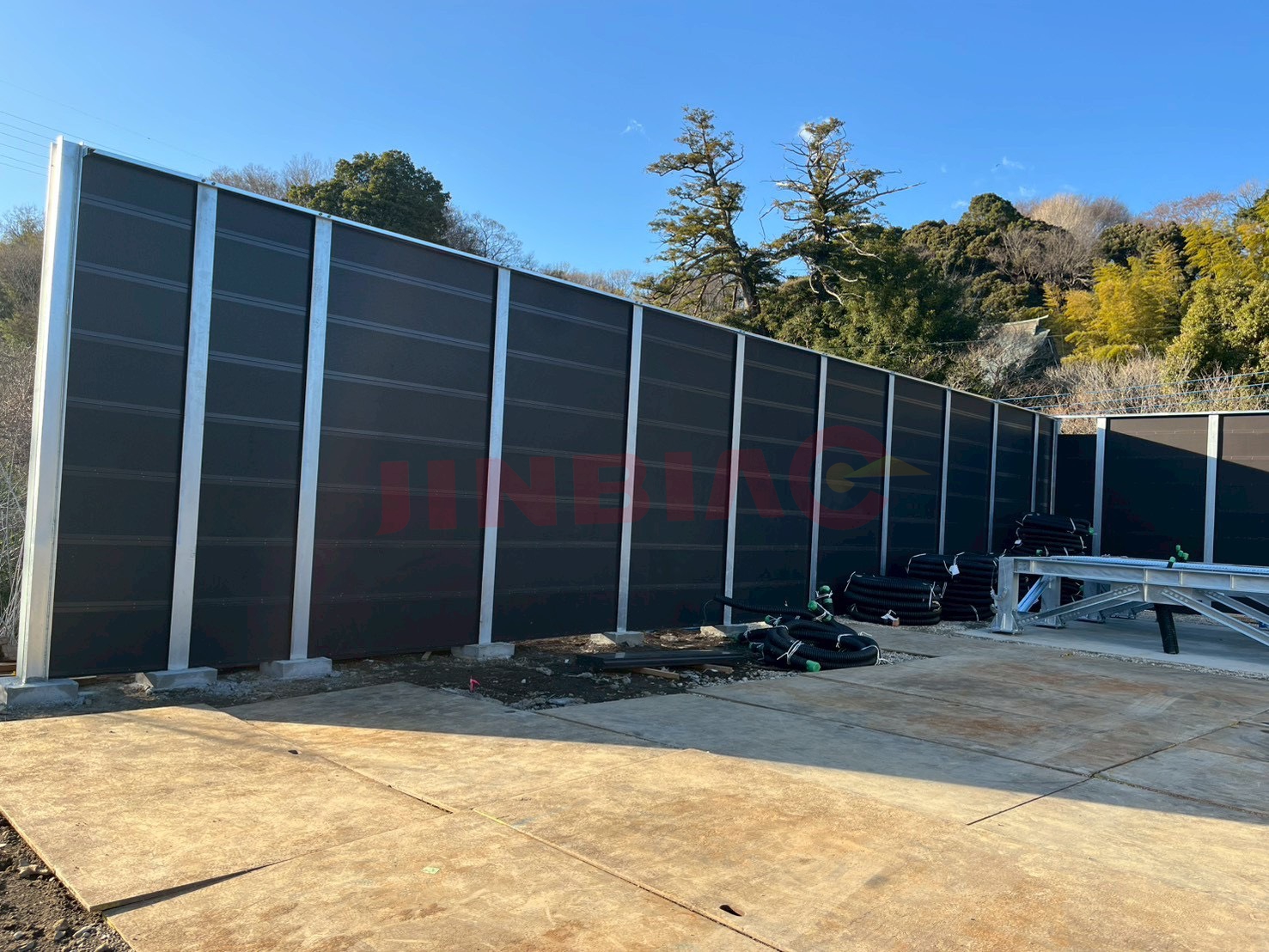
Barrier Type: Dark Gray Micro-Perforated Acoustic Noise Barrier
Installation Location: Along the boundary adjacent to the residential area
Noise Reduction Objective: Meet Japanese environmental noise standards while significantly reducing noise impact on nearby sensitive receptors.
Project Challenges
1. Strict Environmental Noise Regulations
Japan enforces rigorous environmental noise limits for industrial facilities and utility infrastructure. Nighttime noise limits in residential and quiet zones are particularly stringent, requiring highly effective acoustic solutions.
2. Complex Multi-Frequency Noise Sources
The BESS facility generates noise across a broad frequency spectrum.
Cooling fans and ventilation equipment produce medium- and high-frequency airflow noise, while PCS units and transformers generate electromagnetic and mechanical vibration noise. An effective solution must provide broadband noise reduction rather than targeting only specific frequencies.
3. Balancing Ventilation and Noise Reduction
Energy storage equipment requires continuous airflow to maintain safe operating temperatures. Therefore, the acoustic barrier must reduce noise without obstructing natural ventilation or equipment cooling performance.
4. High Durability Requirements
Many regions of Japan experience humid coastal climates with high salt content in the air. The noise barrier system was required to provide excellent corrosion resistance and achieve a design service life of at least 20 years under demanding outdoor conditions.
Product Features
1.dvanced Micro-Perforated Sound Absorption Technology
The acoustic barrier adopts micro-perforated metal panels with thousands of uniformly distributed perforations.
When sound waves strike the panel surface, they pass through the micro-perforations into the internal acoustic chamber, where high-density sound-absorbing insulation materials, such as rock wool, convert acoustic energy into heat. A sealed solid rear panel effectively blocks sound transmission, providing
2.excellent sound insulation performance.
The complete acoustic system delivers broadband noise reduction of 20–35 dB, effectively controlling the diverse noise generated by battery storage equipment.
3.Dark Gray Industrial Appearance
The barrier is finished with a durable dark gray powder coating that complements the architectural style of modern industrial facilities in Japan.
The neutral appearance blends naturally with the surrounding infrastructure while resisting dirt accumulation and minimizing maintenance requirements.
All steel components are hot-dip galvanized and protected with high-performance anti-corrosion coatings, ensuring excellent resistance to humidity, salt spray, UV exposure, and temperature fluctuations. The system is designed for a service life exceeding 20 years.
4.Scientifically Optimized 4-Meter Height
Based on professional acoustic simulations and site evaluations, the barrier height was determined to be 4 meters.
This height effectively interrupts the direct sound transmission path and creates an acoustic shadow zone toward nearby residential areas while maintaining a practical balance between construction cost, daylight access, and overall site appearance.
Modular Installation System
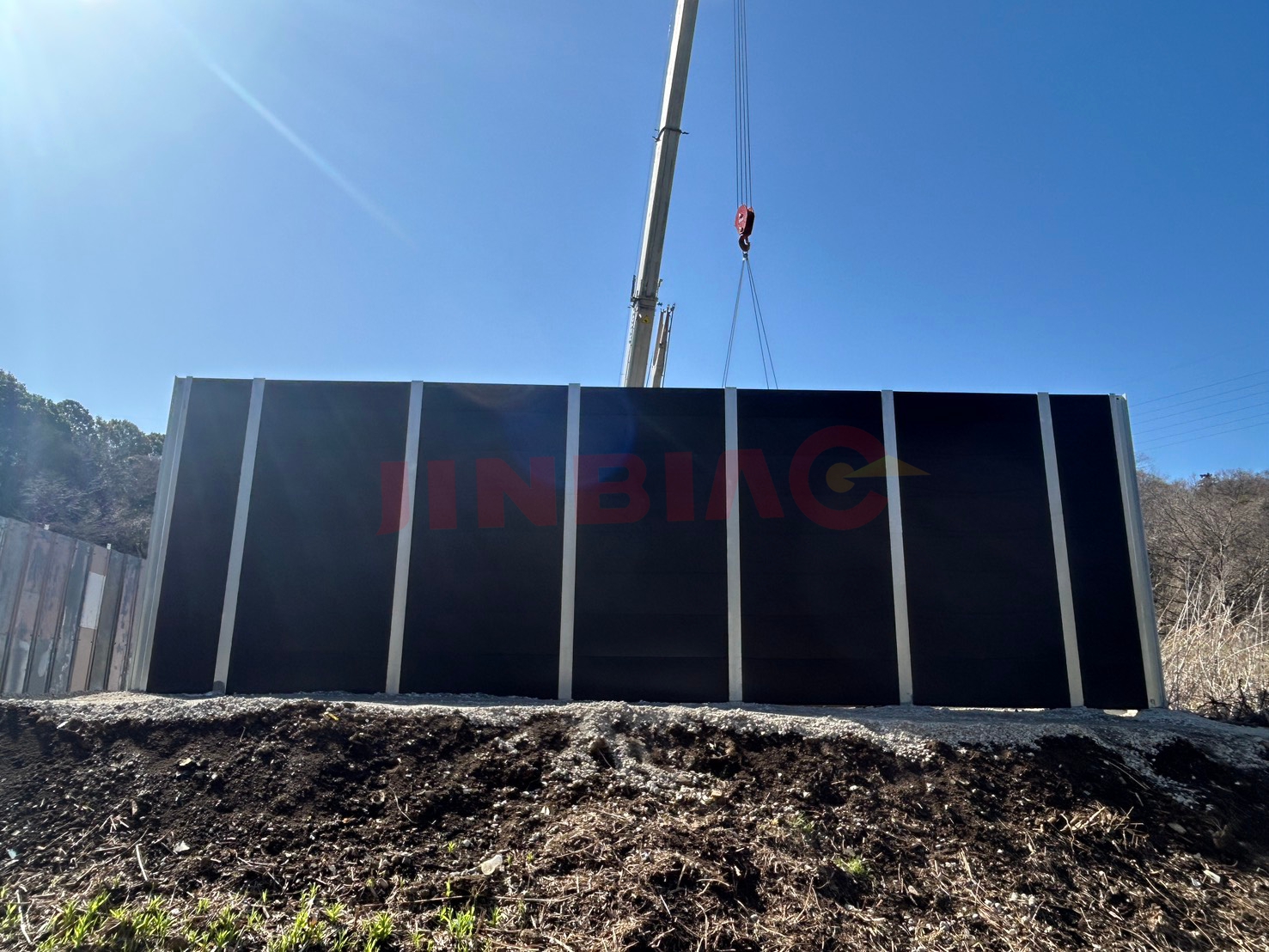
The acoustic barrier features a modular construction system using H-shaped steel columns installed at 2-meter intervals.
Standard acoustic panels are inserted between the steel posts and securely fixed using specialized fastening components. The modular design allows fast installation, convenient maintenance, and easy panel replacement while ensuring long-term structural stability.
Project Implementation and Results
Before construction, our engineering team carried out comprehensive noise source identification, frequency spectrum analysis, and sound propagation simulations to develop an optimized noise control solution tailored to the station layout.
The acoustic barrier was installed vertically along the residential boundary of the energy storage station. Its composite acoustic structure provides both sound absorption and sound insulation, while strategically designed ventilation gaps ensure adequate airflow for equipment cooling.
Following installation, on-site acoustic testing confirmed that the boundary noise level was reduced by more than 20 dB, fully complying with Japanese environmental regulations.
The project has significantly improved the surrounding acoustic environment, and local residents have responded positively to the results. The energy storage facility now operates in greater harmony with the neighboring community.
Conclusion
This project demonstrates the outstanding performance of dark gray micro-perforated acoustic noise barriers in utility-scale Battery Energy Storage System (BESS) applications.
The scientifically optimized 4-meter barrier height achieves an ideal balance between noise reduction, equipment ventilation, aesthetics, and cost-effectiveness. Advanced micro-perforated acoustic technology effectively controls broadband noise generated by cooling systems, PCS units, and transformers, while the dark gray appearance integrates seamlessly with Japan's modern industrial landscape.
As Japan continues to expand its renewable energy infrastructure and battery energy storage capacity, this proven noise control solution offers significant value for future BESS projects, helping developers meet stringent environmental requirements while promoting sustainable community development.

 EN
EN