
 EN
EN
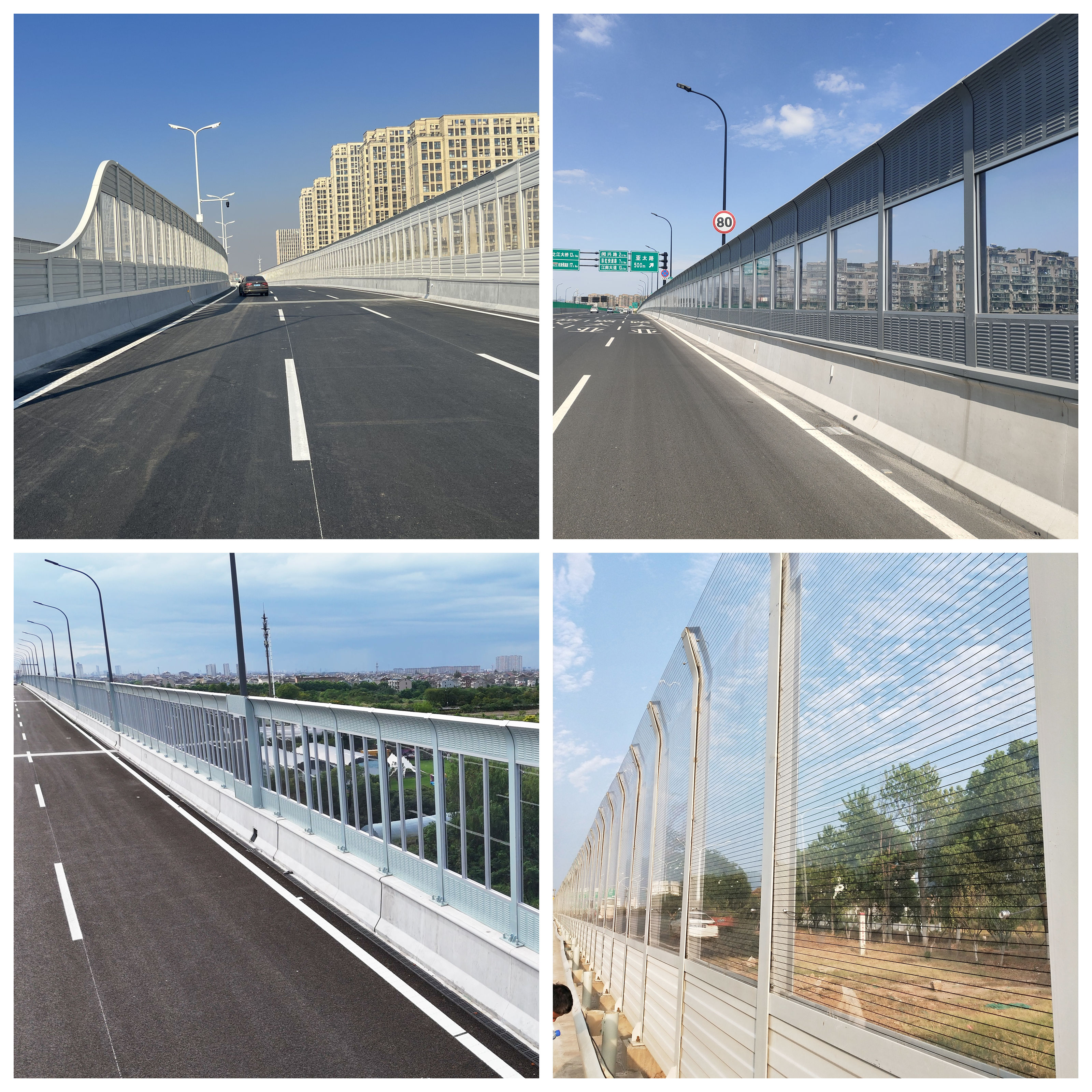
A noise reduction barrier is a specially engineered structure designed to block, absorb, or reduce unwanted noise from sources such as highways, railways, industrial plants, and construction sites. By controlling sound wave transmission, these barriers create quieter and more comfortable environments for nearby residential and commercial areas.
How Do Noise Reduction Barriers Work?
Noise barriers function through a combination of sound insulation and sound absorption:
Reflection: Solid panels block and reflect sound waves back toward the source
Absorption: Acoustic materials (such as mineral wool or fiberglass) absorb sound energy
Diffraction Control: Barrier height and shape reduce sound bending over the top
The result is a significant reduction in noise levels, often by 10–30 dB, depending on design and installation.
Types of Noise Reduction Barriers
1. Metal Noise Barriers
Made from perforated aluminum or galvanized steel panels, these barriers offer excellent durability and strong sound absorption performance.
2. Transparent Noise Barriers
Using materials like polycarbonate (PC) or acrylic, these barriers maintain visibility while reducing noise—ideal for bridges and urban roads.
3. Composite Noise Barriers
A combination of metal panels and transparent sections, balancing aesthetics and performance.
Portable and easy to install, widely used in construction sites and short-term projects.
Key Advantages of Noise Reduction Barriers
Effective Noise Control: Reduces environmental noise significantly
Durable Materials: Corrosion-resistant and long service life
Wide Applications: Suitable for highways, railways, factories, and construction zones
Customizable Design: Tailored height, color, and material options
Compliance: Meets international acoustic and safety standards
Applications of Noise Reduction Barriers
Noise reduction barriers are widely used in:
Highways & Roads: Reduce traffic noise for nearby communities
Railways & Bridges: Control vibration and noise impact
Industrial Facilities: Minimize machinery and equipment noise
Construction Sites: Temporary noise control for urban projects
Power Plants & Substations: Equipment noise isolation
Why Choose Our Noise Reduction Barrier Solutions?
We provide factory-direct noise barrier systems designed for performance and efficiency:
CAD & PDF drawings for project planning
Full technical support and installation guidance
Free samples and product brochures
Competitive pricing with high cost-performance
Custom solutions tailored to your project needs
FAQ
Q1: How much noise can a noise reduction barrier reduce?
A: Typically, noise barriers can reduce sound levels by 10–30 dB, depending on height, materials, and installation conditions.
Q2: What materials are used in noise barriers?
A: Common materials include galvanized steel, aluminum panels, polycarbonate sheets, and acoustic insulation materials.
Q3: Can noise barriers be customized?
A: Yes, we offer full customization in terms of size, color, material, and structure to meet project requirements.
Q4: Are noise barriers suitable for outdoor environments?
A: Absolutely. Our barriers are designed to withstand harsh weather conditions, including rain, UV exposure, and corrosion.
Q5: Do you provide installation support?
A: Yes, we offer technical guidance, drawings, and support to ensure smooth installation.