
 EN
EN
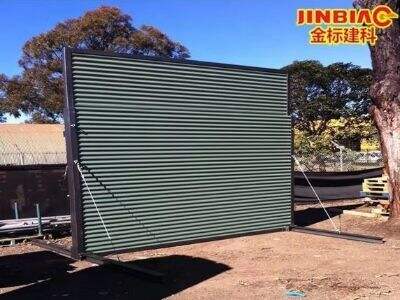
Cities may have to construct noise barriers along noisy roads and highways to shield people who live close by from thundering traffic. When cities want companies to construct these barriers, they issue a special request called an RFI, which stands for “Request for Information.” This article is about what cities want to be in those RFIs FOR the noise barrier materials and designs. Jinbiao, a professional civil noise barriers manufacturer for many years knows these specs are so important. The guidelines used by cities may appear trick to follow, but in reality the rules are important for ensuring that these Noise Barrier perform well and last a long time. Here’s a look at what these rules commonly regulate when it comes to building materials and the factors cities check for to ensure noise stays low in neighborhoods.
What Civil Noise Barrier RFI Requirements Can Teach Us About Material Specifications for Successful Acoustical Performance?
Cities are especially strict about what materials should be used when they write RFIs for noise barriers, because the proper material can block more sound. Typically, the RFI will inform companies like Jinbiao about things like density, thickness, and durability of the material. For example, a Civil Noise Barrier constructed from thick concrete might provide excellent sound blocking, but it may also be so heavy and difficult to install. Other materials like special plastics or composites may be lighter, but still strong enough to block noise. Cities need to see exactly what kind of materials will be poured into the barrier so they can soundproof it enough that nearby homes won’t bear the brunt of the noise.
What Are Important Civil Noise Barrier RFI Specs to Comply with City Ordinances?
Cities are strict about what noise barriers have to do, and these requirements appear in the RFIs. There is one big rule, involving how much noise the barrier should attenuate, typically measured in decibels (abbreviated dB). Typically, cities demand that barriers reduce noise by 10 to 20 decibels, a huge difference for populations residing next door. The RFI will seek input from companies, like Jinbiao, about whether its barrier design can achieve this standard. The height and length of the barrier are important specs too. A higher wall will block more noise, but it is more expensive and can be more difficult to construct. So it’s the right balance cities want. The RFI may specify, for example, that the barrier must be at least so high or extend so far along the roadside. Another important spec is the strength of the noise barrier insulation. It has to be strong enough to withstand ripping from strong winds and falling debris, including buoyant objects that dislodge during an earthquake. To conform the safety regulations, material and structure need to be tested. Sometimes, cities need barriers that look good, as well as work well. The RFI might have rules about colors or textures that reference the city’s style.
Where do I find the RFI's with very detailed specs for Civil Noise Barrier in major urban projects?
Civil Noise Barriers When cities construct roads or freeways close to homes and schools, they often use civil noise barriers to help mitigate high decibels of sound from traffic. These walls should be strong, secure and effective at reducing sound. To ensure that these barriers work well, city planners and engineers create something called RFIs, or Requests for Information. RFI's are requests for "Information" on what material the noise barriers will be made of and how they will be constructed. But where do you find “that level of granularity in a civil noise barrier RFI for big city projects?
How To Guarantee The Quality Of Products Meet Civil Noise Barrier Rfi Standards For Wholesale Purchase?
Cities are seeking civil noise barriers that provide exceptional performance. That means everything in the noise barrier has to function well and have a long life. Wholesale buyers that purchase large quantities of noise barrier panels from Jinbiao must pay more attention to overall product quality. But how can you ensure the products meet RFI’s stringent standards that cities demand?
For a start, it is useful to understand the fundamental quality rules on RFI documents. Noise barriers generally need to block a certain amount of sound, be sturdy enough not to collapse in the weather and safe in varying conditions. Jinbiao tests its products for sound reduction and strength. Buyers should request test reports or certificates that demonstrate the products are in compliance with, or exceed, these standards. Another major one is checking the materials. Many good noise barriers are crafted from special metals, plastics or concrete that can withstand the rain, wind and sunshine without chipping or fading. Like everything else, if it is made with materials that are inferior, chances are the noise barrier won’t last long or be as effective.
Table of Contents
- What Civil Noise Barrier RFI Requirements Can Teach Us About Material Specifications for Successful Acoustical Performance?
- What Are Important Civil Noise Barrier RFI Specs to Comply with City Ordinances?
- Where do I find the RFI's with very detailed specs for Civil Noise Barrier in major urban projects?
- How To Guarantee The Quality Of Products Meet Civil Noise Barrier Rfi Standards For Wholesale Purchase?