 EN
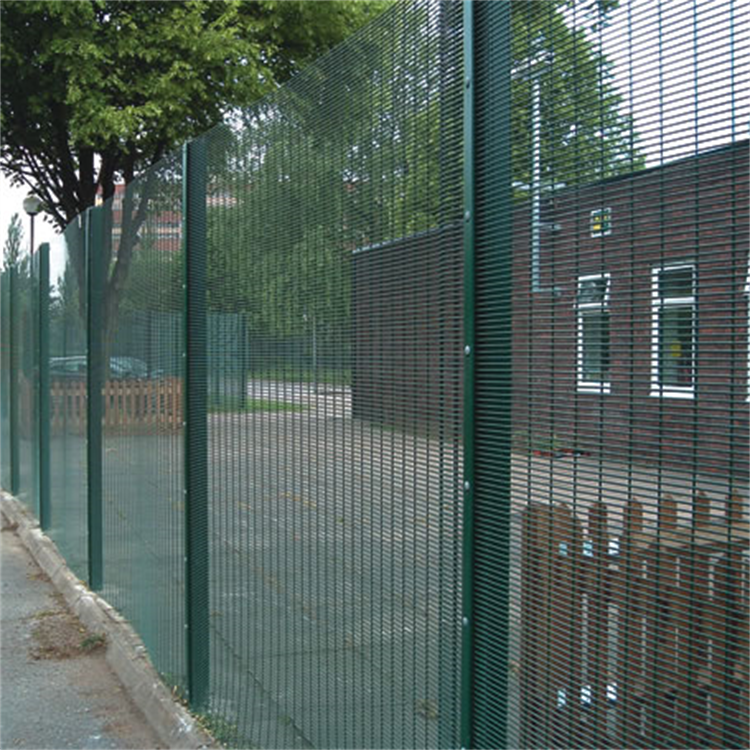
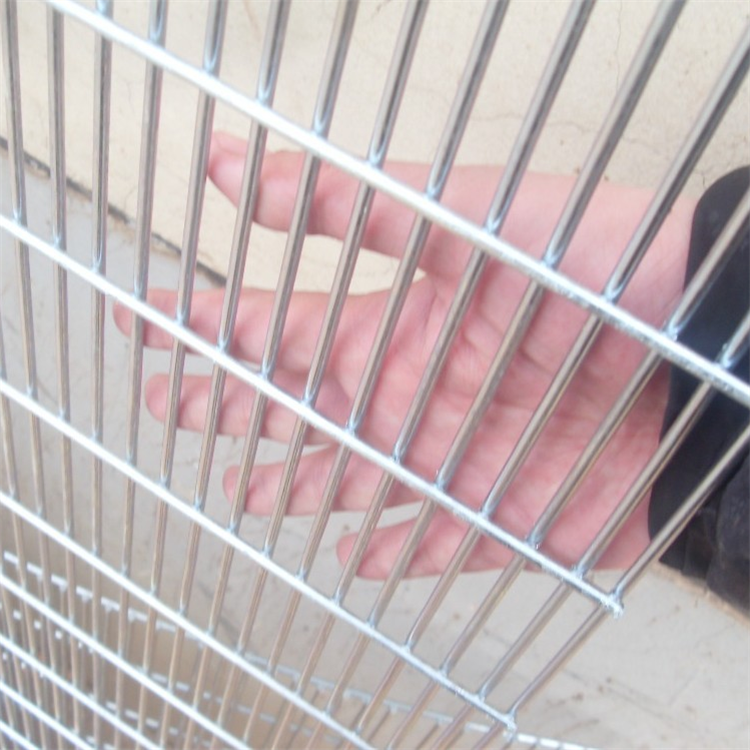
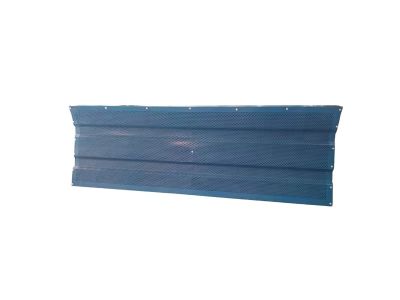
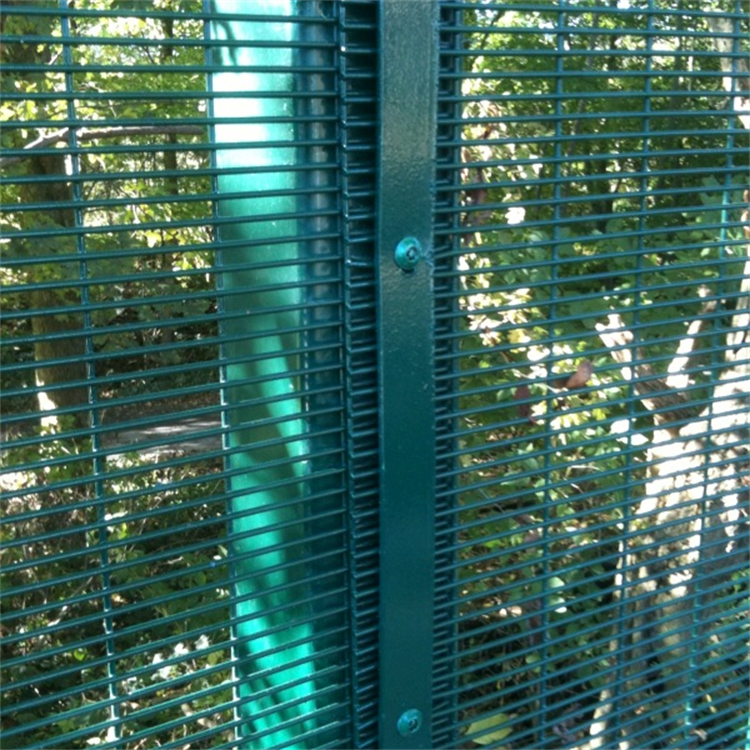
Anti-climb security fencing is a specialized product designed to deter unauthorized access and enhance security across various applications. With a focus on durability, effectiveness, and compliance with safety standards, it addresses critical concerns for B2B buyers, such as quality anti climb security fencing, material selection, and supplier reliability. This article will provide insights into key specifications, supplier evaluation, common issues, applications across industries, and sourcing reliable suppliers for anti-climb security fencing.


How to Evaluate Suppliers of Anti Climb Security Fencing
Choosing the right supplier for anti-climb security fencing involves careful evaluation based on several factors:
Experience and Reputation: Look for suppliers with a proven track record in manufacturing and supplying anti-climb fencing. Established companies, like Hebei Jinbiao Construction Materials Tech Corp., bring years of experience and can provide references from previous clients.
Manufacturing Capabilities: Investigate whether the supplier has modern production facilities and equipment, as well as quality control processes in place. This ensures they can meet your specifications consistently.
Customization Options: Many projects require tailored solutions. Suppliers that offer customization, such as specific heights, designs, or finishes, can better meet unique project requirements.
Lead Times and Capacity: Assess the supplier's production capacity and lead times to ensure they can fulfill your order within your project timeline. Understanding these factors can prevent delays in your project.
Customer Support and Service: Reliable suppliers should offer robust customer service, including assistance during the quotation process, installation advice, and after-sales support.
By focusing on these evaluation criteria, buyers can identify suppliers that align with their project needs and maintain high standards of quality and service.