
 EN
EN

Aluminum Noise Barrier: Lightweight Soundproof Wall
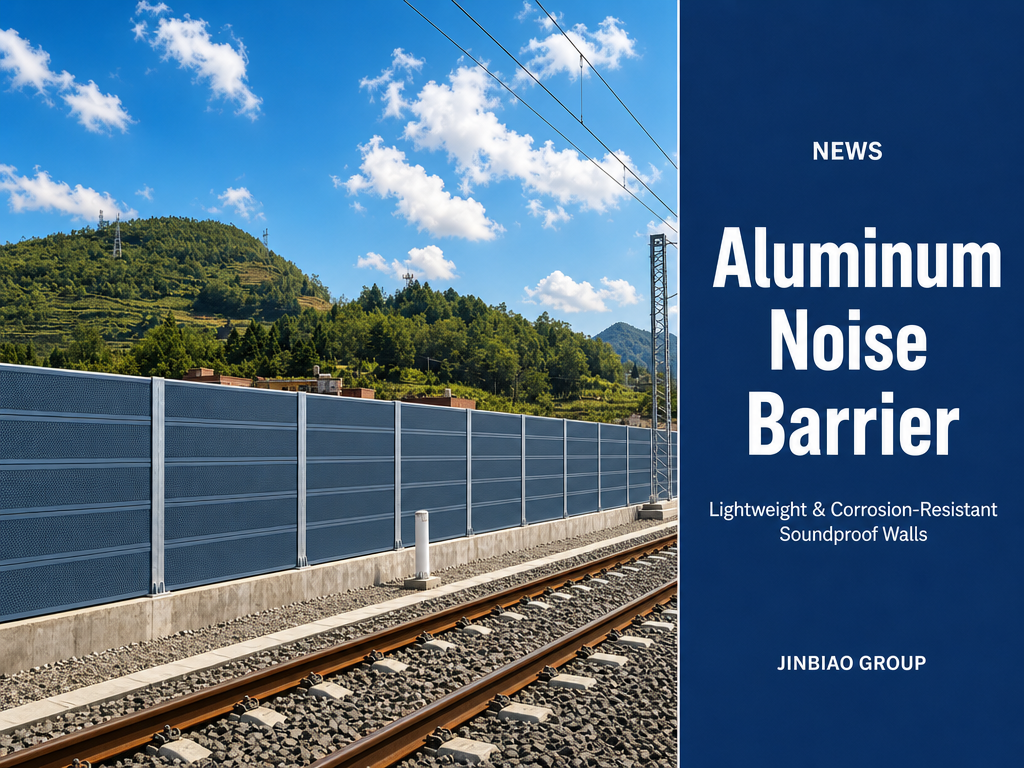
Across highway, railway and urban infrastructure projects, noise control has become a core design requirement rather than an afterthought. Among the materials available to engineers, the aluminum noise barrier has become a common choice for projects that need reliable acoustic performance without the weight and corrosion concerns of traditional steel panels. An aluminum noise barrier combines lightweight structural performance, strong corrosion resistance and stable long-term acoustics, making it well suited to bridges, elevated roadways, coastal corridors and other demanding environments.
Why Aluminum Noise Barriers Are Gaining Attention
Several engineering factors explain the growing popularity of the aluminum noise barrier in modern construction. Weight is one of the most important: aluminum has only about one-third the density of steel, which significantly reduces dead load on bridges, viaducts and rooftop installations, and simplifies transport and on-site handling. Corrosion resistance is another key advantage — aluminum naturally forms a protective oxide layer, so an aluminum noise barrier copes well with salt spray, de-icing chemicals and humid coastal air over many years of service. In addition, the material's long-term dimensional stability helps the barrier maintain its acoustic performance throughout its design life, reducing the need for frequent replacement.
How Aluminum Compares with Steel and Concrete
Material selection for a noise barrier project usually comes down to balancing strength, weight, durability and cost. Steel panels offer high structural strength but add substantial weight and generally require ongoing corrosion protection, especially in marine or industrial atmospheres. Concrete barriers provide excellent mass-based sound insulation but are heavy, slow to install and difficult to retrofit on existing structures. The aluminum noise barrier sits in a practical middle ground: it meets the acoustic requirements of current noise regulations while remaining light enough for bridge and elevated applications and durable enough for decades of outdoor exposure. For many engineers, this balance makes the aluminum solution an attractive option, particularly where foundation capacity is limited or where installation speed matters.
Typical Applications of Aluminum Noise Barriers
- Highways and expressways — protecting residential areas while limiting additional load on bridge structures
- Railways and metro lines — elevated track sections, station approaches and depot perimeters
- Bridges and viaducts — lightweight panels that minimize extra structural loading
- Coastal and marine corridors — corrosion-resistant construction for harsh atmospheric zones
- Airport perimeters — run-up areas, terminal facilities and maintenance zones
- Industrial facilities — compressor stations, power plants and factory boundaries
Design Considerations for Aluminum Noise Barriers
When designing an aluminum noise barrier, engineers typically evaluate several parameters. Panel height and length are chosen to interrupt the sound path between source and receiver, while the panel cross-section and internal construction determine how much sound is absorbed versus reflected. Surface treatment plays an important role in long-term appearance and protection: powder coating, PVDF coating and anodizing are among the options that help the barrier retain its finish in outdoor conditions. Wind load is another factor — the low weight of aluminum helps reduce structural requirements, but the design must still verify the barrier against local wind and seismic codes. With careful design, an aluminum noise barrier can be tailored to site-specific noise levels, climate conditions and aesthetic requirements.
Maintenance and Lifecycle Considerations
From a lifecycle perspective, the aluminum noise barrier offers practical advantages for infrastructure owners. Because aluminum does not rust, the barrier avoids the repainting and rust-patching cycles commonly associated with steel installations, which lowers ongoing maintenance costs. The material's natural oxide layer also means that minor surface scratches do not expose the panel to progressive corrosion, simplifying long-term upkeep. For project teams evaluating total cost of ownership, these maintenance savings can be significant over a barrier's service life, particularly in coastal regions where steel protection systems require frequent attention.
Cost Considerations and Project Planning
Budget planning for an aluminum noise barrier project involves several components beyond the panels themselves. Site surveys and noise measurements are usually carried out first to establish the required barrier height and acoustic performance, and these studies directly influence material quantities and project cost. Foundation design is another factor — while aluminum's light weight can reduce substructure requirements, the foundation must still be engineered for local soil conditions and wind loads. Installation logistics also matter: modular panel systems with prefabricated components can shorten on-site installation time, which is an important consideration for projects with tight construction schedules. When comparing quotations for an aluminum noise barrier, project owners should review not only the panel price but also delivery terms, installation support and after-sales service, so that the selected solution matches both the technical requirements and the overall project budget.
Outlook for Aluminum Noise Barriers
As noise regulations become stricter and infrastructure owners place greater emphasis on lifecycle cost, the aluminum noise barrier is expected to remain a popular option in the acoustic barrier market. Its combination of light weight, corrosion resistance and long-term performance aligns well with the trends of lightweight construction and low-maintenance design that are shaping modern infrastructure projects. For engineers and contractors planning new noise control projects, the aluminum solution is worth considering alongside traditional steel and concrete options.
JINBIAO Group supplies aluminum noise barrier systems for highway, railway and industrial projects, offering engineering support from the enquiry stage through project delivery. For more information, contact our team.