
 EN
EN

Автомагистралдык тоскоолдуктардын киргизүүсү: Түрлөрү жана материалдары
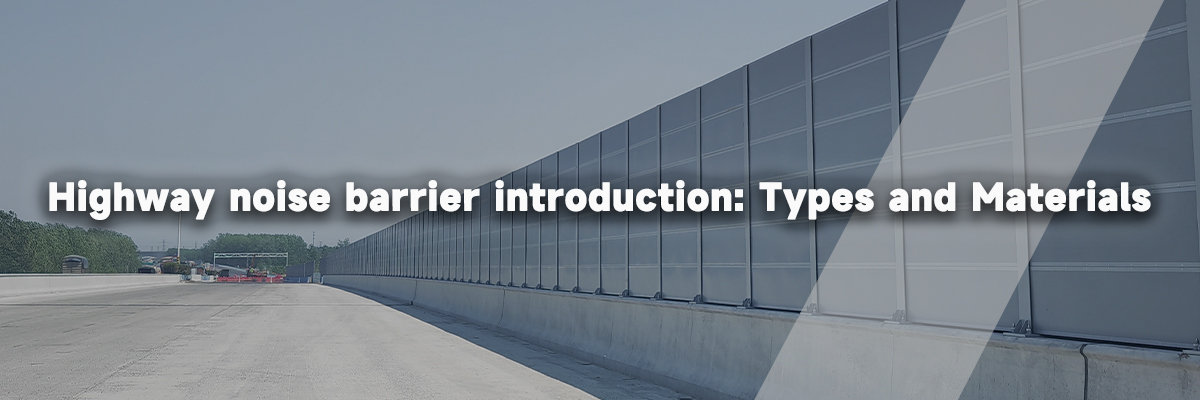
Шаарлаштыруу тездетилген жана дүйнө жүзүндө автожолдун тору кеңейген сайын, транспорттук көпчүлүк таасири менен пайда болгон толкундун чыгышы — негизги автожолдорго жана магистралдарга жакын жашаган калктын саламаттыгына жана жашоо сапатына таасир эткен эң маанилүү чөйрөлүк ластырмалардын бири болуп калды. Магистралдардагы толкундун башталышын токтотуучу борборлор — башкача айтканда, толкундун башталышын токтотуучу борборлор, толкундун кабыргалары же акустикалык борборлор — транспорттук толкундун ластырмасын кемитүү үчүн автожолдорго жана магистралдарга жакын орнотулган физикалык конструкциялар.
1. Толкундун башталышын токтотуучу борборлор кандай иштейт
Дыбыс барьеры — бул дыбыс чыгаргыч менен кабыл алуучу ортосунда жайгашкан түзүлүш, ал дыбыс толкундарынын таралышына маанилүү кошумча жутулуу киргизет жана коргоого алынган аймакта дыбыс таасирин азайтат. Модерн дыбыс барьерлары негизинен үч механизм аркылуу иштейт: дыбыс толкундарын чыгаргычка карай чагылдыруу, поролуу материалдар аркылуу дыбыс энергиясын жутуу жана дыбыс толкундарын таралуу траекториясын өзгөртүү үчүн чагылдыруу. Тиимдүү модерн дизайндар түрлүү жыштыктагы диапазондордо оптималдуу дыбыс төмөндөтүүнү камсыз кылуу үчүн бир нече механизмди бириктирип колдонот.
2. Негизги түрлөрү Автомобиль жолу үчүн дыбыс барьерлары
2.1 Чагылдыргыч барьерлар
Кайтаруучу тоскоолдор — бул дыбыс толкундарын жолго карай кайтаруу үчүн долбоорлонгон тыгыз, катуу курылымдар. Алар негизинен бетондон жасалган, ошондой эле төзүмдүүлүк, дыбыс тоскоолдогон мүмкүнчүлүк жана аз кызмат көрсөтүү талаптарын камсыз кылат, андыктан алар автожолдордун жана өнөрөт зоналарынын боюнча ири масштабдагы орнотулуштар үчүн чыгымдарды төмөндөтөт. Бирок алар дыбысты жолго кайтарып, эстетикалык жактан чектелген эркиндик берет.
2.2 Сорбциялоочу тоскоолдор
Сорбциялоочу тоскоолдор — дыбыс энергиясын сорбциялоо жана кайтарылган дыбысты азайтуу үчүн поралуу же талчыктуу материалдардан жасалган. Бул тоскоолдор жолдун эки жагындагы акустикалык чөйрөнү жакшыртат жана жашоо аймактары, мектептер зоналары жана дыбысга сезгич биналар орнашкан аймактар үчүн айрыкча ыңгылыктуу.
Акрил (PMMA), поликарбонат (PC) же ламинатталган шыныдан жасалган прозрачтуу тоскоолдор көрүнүштү сактап, бирок таңгычуулукту азайтат. Бул тоскоолдор көрүнүштүн үзгүлтүсүз болушу маанилүү шаардык аймактарда, көрүнүштүн жолдун бардык узундугунда сакталышы зарыл туура жолдордо жана жолчуулардын коопсуздугу үчүн көрүнүштүн маанилүүлүгү чоң болгон көпүрөлөрдө иштетилүүгө ыңгайлуу.
2.4 Композиттүү жана перфорацияланган тоскоолдор
Композиттүү тоскоолдордун курамына бетон, металл, кайрадан иштетилген пластиктер жана дыбыс жутуучу көпүрөлөр кирет — алардын негизги артыкчылыктары: жогорку төзүмдүүлүк, аба ылдамдыгына чыдамдуулук жана өзгөртүлүүчү эстетика. Перфорацияланган тоскоолдордун бетинде так тескелер чапталган, алар дыбыс толкундарын Гельмгольц резонансы аркылуу таркатып жана жутуп, туннелдерде, шаардык каньондордо жана дыбыс төмөндөтүү менен бирге желдетүү талап кылынган аймактарда дыбыс контролун оптималдуу кылат.
3. Материалдар жана техникалык талаптар
3.1 Алюминий көпүрөсүнөн жасалган дыбыс тоскоолдору
Алюминийдик көпүрөлүү материал — бул жогорку сапаттуу дыбыс жутуу, жеңил конструкция жана экологиялык тазалыкты бириктирген үчүнчү муундагы стратегиялык материал. Анын ачык уялары бар поралуу структурасы дыбыс толкундарын поралардын ичиндеги аба менен күчтүү вязкостук тренияга учурууго мүмкүндүк берет, бул дыбыс кинетикалык энергиясын жылуулук энергиясына айландырат — бул механизм вязкостук демпферлөө дыбыс жутуусу деп аталат. Алюминийдик көпүрөлүү материал 2400 Гц–10000 Гц жыштык диапазонунда жогорку дыбыс жутуу коэффициенттерин иштеп чыгарат, бул туура эле заманбап автожолдогу транспорттун негизги дыбыс чыгаруу булагы болгон шина-жол трениясынын дыбысына дал келет. Типтик дыбыс төмөндөтүү натыйжалуулугу 30–35 децибелди түзөт, ал эми дыбыс төмөндөтүү коэффициенти (NRC) мааниси 0.35–0.60 диапазонунда.
3.2 Металлдик дыбыс тоскоолдору
Алюминийден же коррозияга төзүмдүү болгон челик сплавдарынан жасалган металл барьерлер жеңил, орнотууга ыңгайлуу жана дыбыс жутуу үчүн перфорациялык тесиктер менен долбоорлонууга мүмкүндүк берет. Металл барьерлер, мисалы, алюминий же сырткы кабыкка ээ болуп, ичинде дыбыс булакка караган перфорациялык бетке ээ, суу-тоскооч минералдык түнүк дыбыс жутуучу материал менен толтурулган. Алар дыбыс төмөндөтүү жана дыбыс жутуу коэффициенттери боюнча европалык стандарттар EN 1793-1 жана EN 1793-2 талаптарына ылайык келет. Илгерилеген алюминий барьерлер NRC баасын 0,95тен жогору жана A1 деңгээлдеги өрт таралышына каршы классификацияга жетишип, жетишет.
3.3 Ачык пластик материалдар
Ачык барьер колдонулушунда поликарбонат табакча — ачык пластиктердин ичинде коопсуздук жана дыбыс төмөндөтүүнүн теңдештиги катары кеңири таанылган. Ал таасирге төзүмдүүлүк, УК-чыдамдуулукка ээ жана ар түрлүү калыңдыктарда жасалууга мүмкүндүк берет. Акрил (PMMA) 92% чейин жарык өткөрүүгө жана жогорку жыштыктагы дыбысты төмөндөтүүгө жарамдуу болуп, оптикалык ачыктыгы боюнча жогорку сапатта.
Бул автожолдогу тоскоолдорго кирүү: түрлөрү жана материалдары. Сайтка келгенңиз үчүн рахмат.