 EN
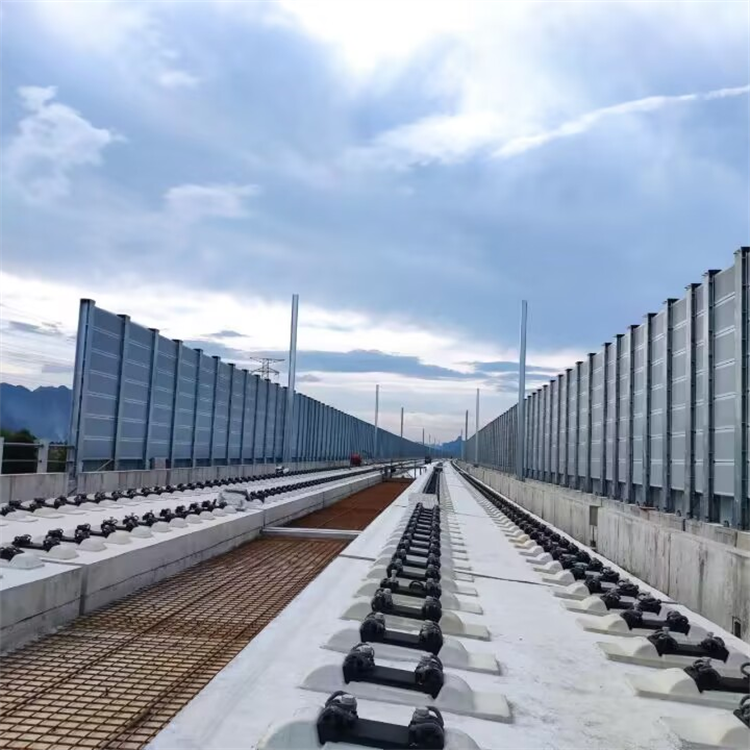
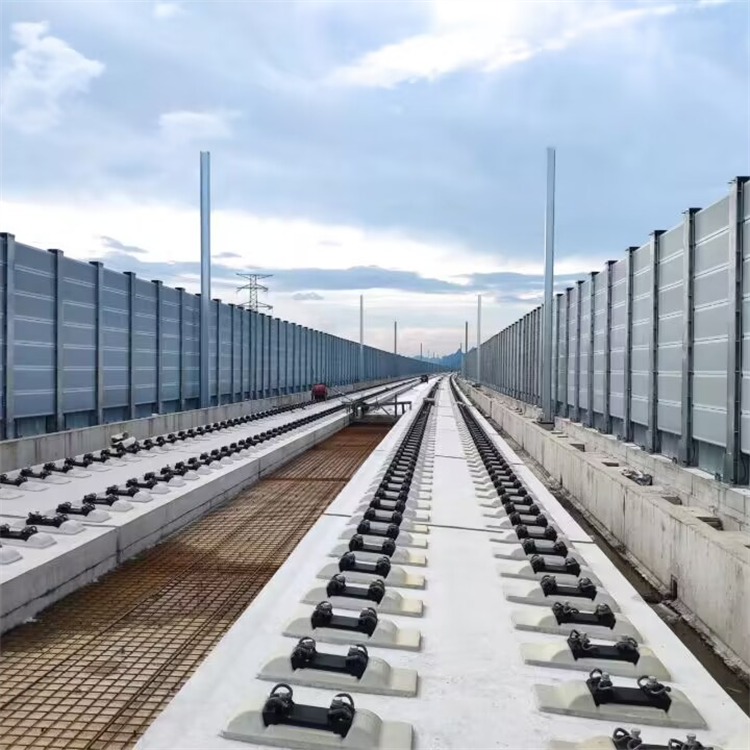
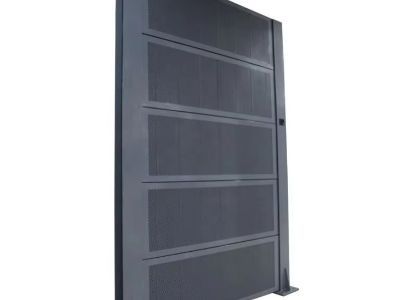
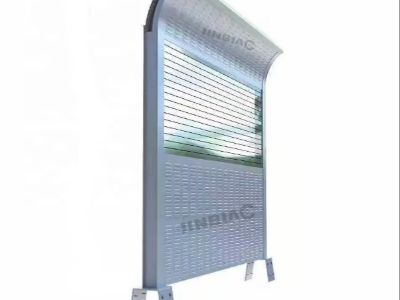
Railway noise barriers are essential structures designed to mitigate sound pollution from train operations, ensuring a quieter environment for nearby communities. As a B2B buyer, understanding the specifications, installation processes, and material advantages of these barriers is crucial for making informed purchasing decisions. This article will guide you through the key considerations for noise barrier insulation, including installation guidance, common problems and solutions, material advantages, and bulk order considerations.
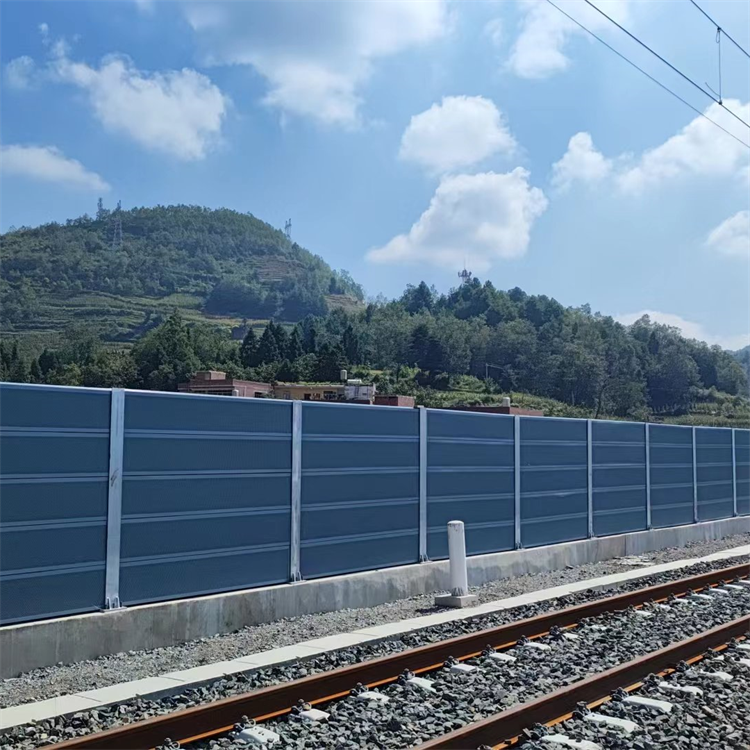
Installation Guidance for Effective Railway Noise Barrier Solutions
Proper installation of railway noise barriers is crucial for maximizing their effectiveness. Here are several key considerations for ensuring a successful installation:
Site Assessment: Conduct a thorough evaluation of the installation site. Factors such as terrain, proximity to rail lines, and local regulations will influence the barrier's design and placement.
Foundation Requirements: Ensure the foundation is designed to support the weight and height of the barrier. For taller barriers, deeper foundations may be necessary to prevent tipping or movement.
Alignment and Height: Correct alignment with the railway and suitable height relative to noise sources are vital for effective sound attenuation. Barriers should be positioned to block the line of sight between the noise source and sensitive areas, such as residential neighborhoods.
Sealing and Finishing: Proper sealing of joints and finishes can enhance durability and aesthetic appeal. Ensure that all components are securely fastened to withstand environmental stresses, such as high winds or seismic activity.
Maintenance Plans: Establish a maintenance schedule to inspect and repair any damage to the barriers over time. Regular checks can help maintain their effectiveness and prolong their lifespan.
By following these guidelines, buyers can ensure that their railway noise fence barriers are installed effectively, providing long-term noise reduction benefits.