Choosing Effective Perimeter Fencing Solutions

All Categories

Get a Free Quote

Our representative will contact you soon.
Email
Name
Company Name
Message
0/1000

Perimeter fence

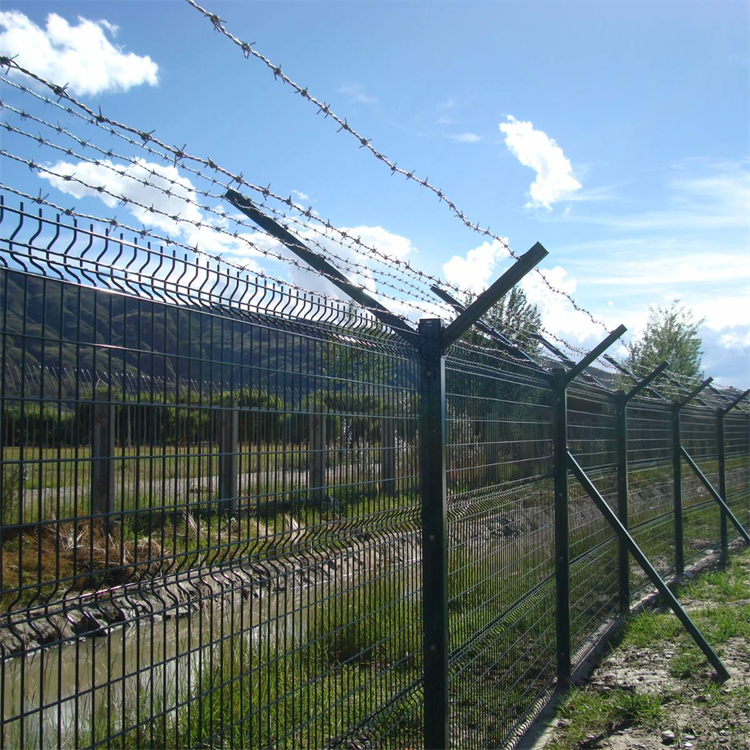
Perimeter fencing is a crucial component for securing industrial and commercial properties. It not only acts as a physical barrier but also serves as a deterrent against unauthorized access. For purchasing managers, distributors, and engineers, selecting the right perimeter fence involves assessing various factors, including material durability, installation requirements, and cost efficiency. This article aims to provide insights into what to consider when choosing perimeter fencing solutions, the cost factors for bulk orders, installation guidance, applications in industrial settings, and common issues along with their solutions.  
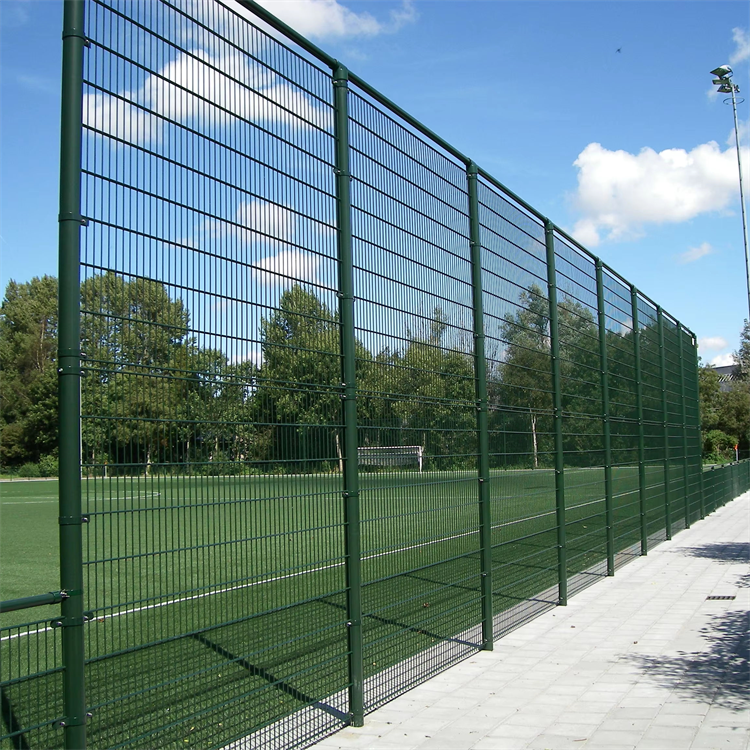
Cost Factors to Consider for Bulk Orders of Perimeter Fencing

Cost Factors to Consider for Bulk Orders of Perimeter Fencing

When planning to order perimeter fencing in bulk, several cost factors come into play that can significantly affect the overall budget. 

Material Costs: The type of material selected directly influences the cost. Steel metal fence materials usually incurs higher material costs compared to vinyl or wood. However, the long-term benefits of steel, such as lower maintenance and greater lifespan, may justify the initial investment. 

Order Quantity: Manufacturers often provide discounts for larger orders. It's essential to evaluate your needs carefully ordering slightly more than required can lead to cost savings per unit. 

Shipping and Handling: Depending on the distance from the manufacturing site to the installation location, shipping costs can vary widely. It's advisable to factor in these costs when budgeting for bulk orders. 

Installation Costs: While some businesses may have in-house teams for installation, others may need to contract external services. Installation costs can vary based on the complexity of the project and local labor rates. 

Customization: Custom designs or specific requirements can lead to additional costs. Ensure to clarify any customization needs upfront to avoid surprises later in the ordering process. 

By considering these factors, buyers can make informed decisions that align with their budget and operational requirements. 
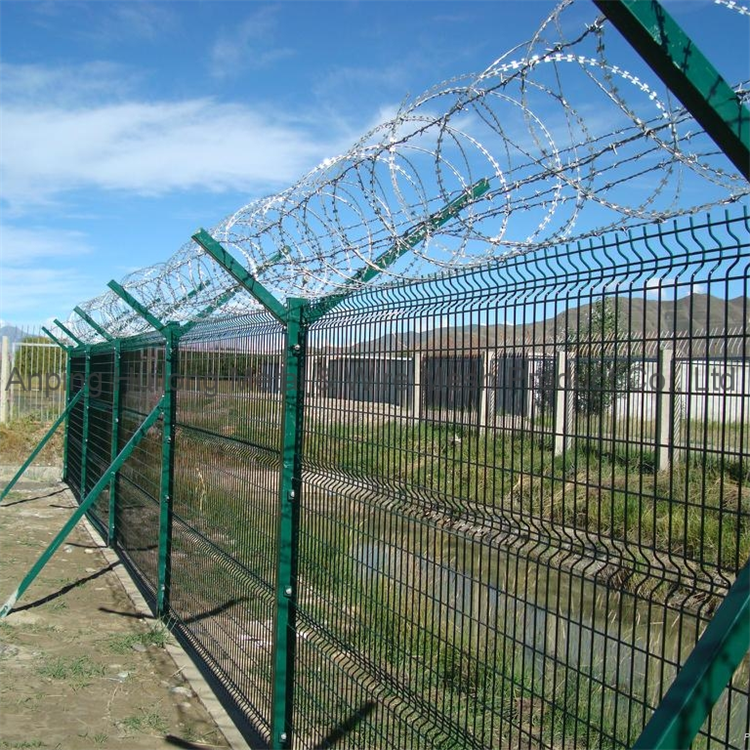
Installation Guidance for Effective Perimeter Fence Solutions

Installation Guidance for Effective Perimeter Fence Solutions

Proper installation is critical to the effectiveness of perimeter fencing. Here are key considerations to ensure a successful installation: 

Site Preparation: Before installation begins, the site must be cleared of any debris, vegetation, or existing structures that may interfere with the fence. A level and clean site leads to easier installation and better durability. 

Post Installation: Ensure that posts are set deep enough to withstand environmental factors like wind or soil erosion. The depth should generally be one-third of the post length for stability. Concrete footings can provide additional support. 

Alignment and Tensioning: Fences should be installed in a straight line, with proper tension applied to the fence building supplies. This prevents sagging and ensures the fence remains upright and aesthetically pleasing. 

Gate Installation: Gates should be installed with extra care, ensuring they swing freely and close securely. The hardware used should be robust enough to handle frequent use without failure. 

Final Inspection: Once the installation is complete, a thorough inspection should be conducted to ensure all components are secure and functioning correctly. This includes checking for any potential weak points that may need reinforcement. 

Following these installation guidelines will help ensure that the perimeter fence performs as expected and provides the necessary security. 

Applications of Perimeter Fencing in Industrial Settings

Applications of Perimeter Fencing in Industrial Settings

Perimeter fencing serves various practical applications in industrial settings, enhancing security and operational efficiency: 

Security: The primary application of perimeter fencing is to secure industrial sites against unauthorized access. This is especially important in sectors such as manufacturing, warehousing, and logistics, where valuable assets and sensitive information may be at risk. 

Safety: Fencing can help delineate hazardous areas, such as construction sites or zones with heavy machinery. This helps prevent accidents and ensures that only authorized personnel can access these areas. 

Aesthetics: Beyond security, perimeter fencing can enhance the visual appeal of industrial sites. A well-designed fence can create a professional appearance that reflects positively on the business. 

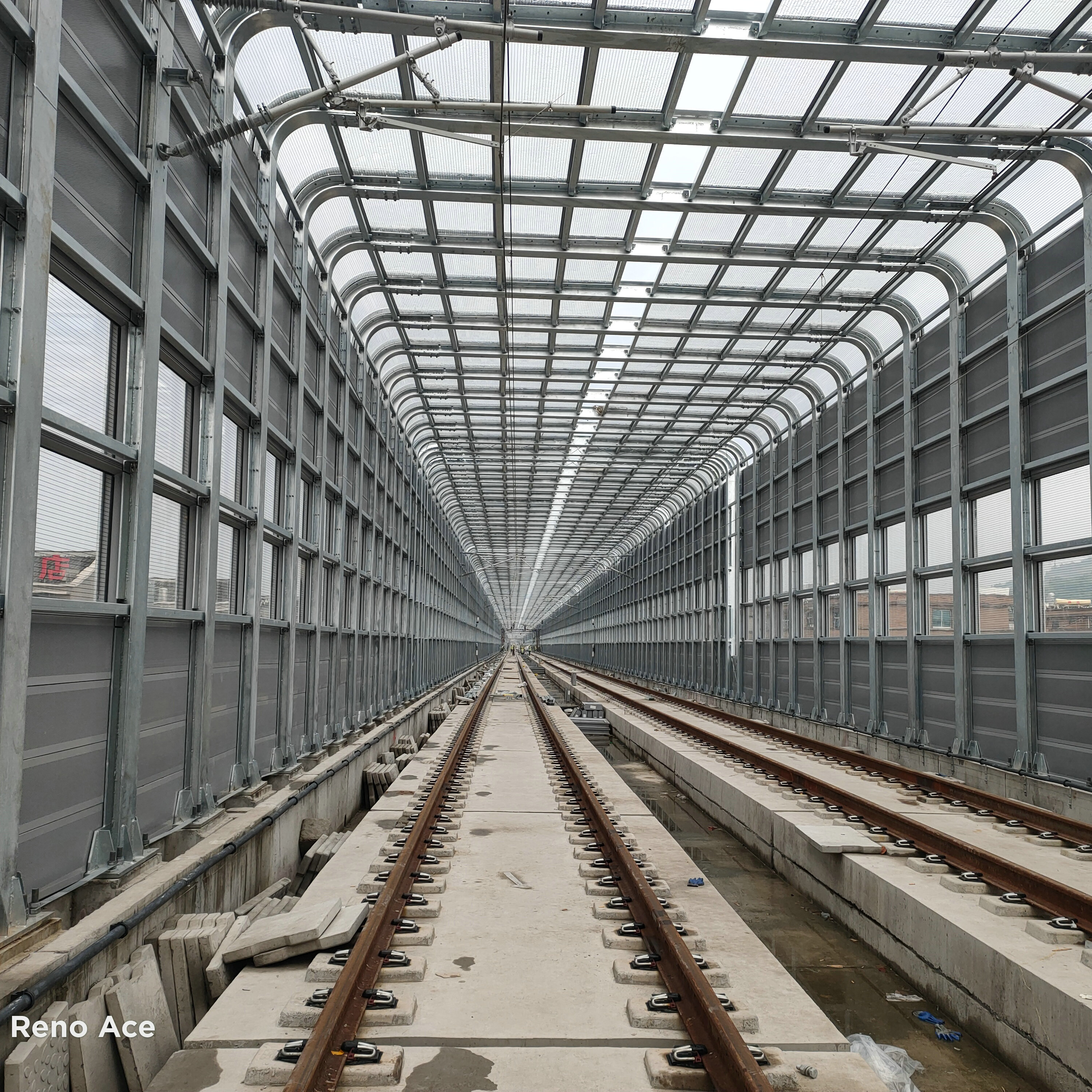
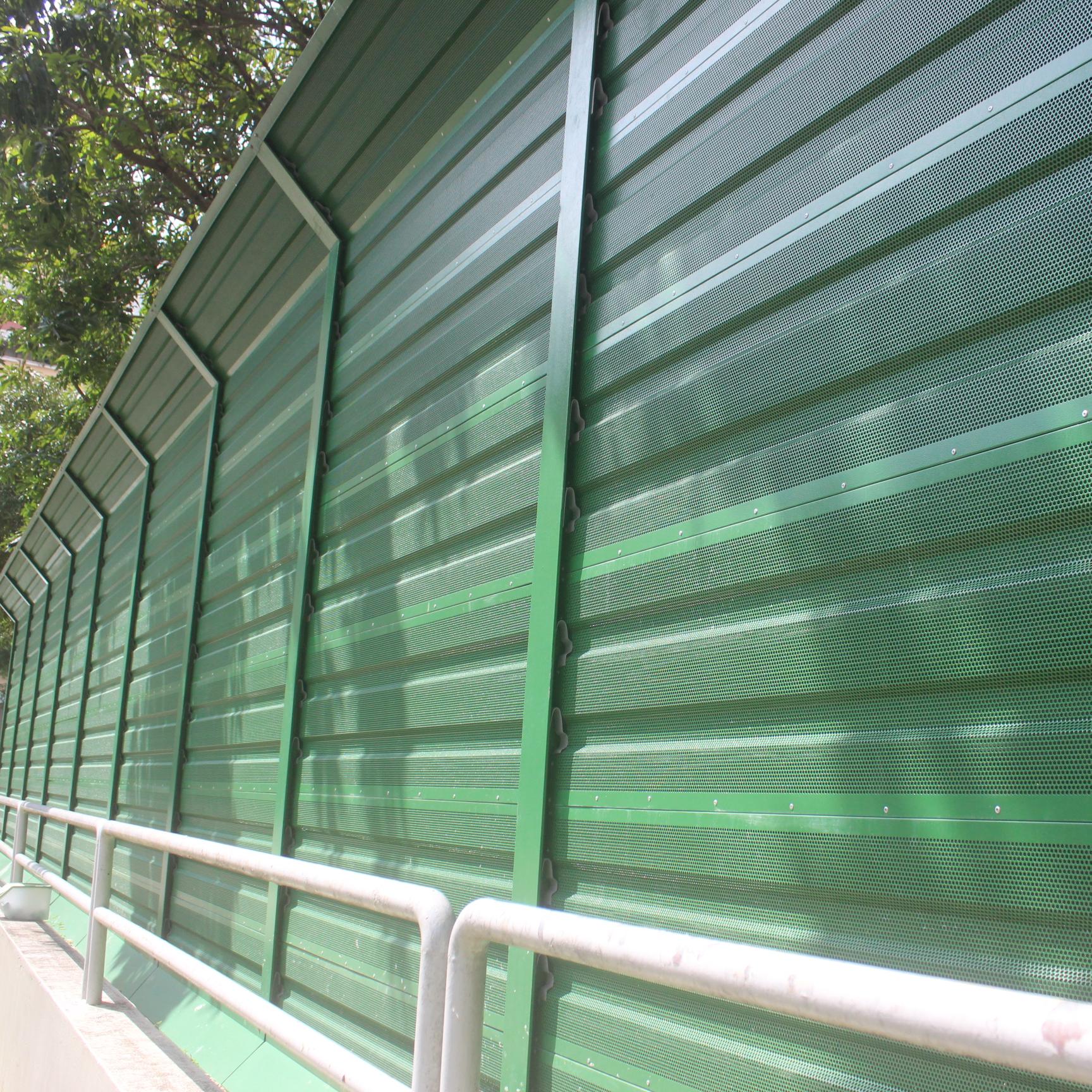
Noise Reduction: In some cases, perimeter fencing can also serve as a noise barrier, reducing sound pollution from busy industrial operations, thereby benefiting nearby residential areas. 

Regulatory Compliance: Many industries are required to maintain certain safety standards, which often include securing the premises with appropriate fencing solutions. Compliance with these regulations is critical to avoid legal repercussions. 

Understanding these applications will help businesses choose the right perimeter fencing that aligns with their operational needs. 

Common Problems with Perimeter Fencing and Their Solutions

While perimeter fencing is an effective security measure, it can present challenges. Here are common problems and their solutions: 

Corrosion and Rust: Metal fences are susceptible to corrosion, especially in coastal areas. To combat this, choose materials that are treated for corrosion resistance. Regular maintenance, including repainting or applying protective coatings, can extend the life of the fence. 

Damage from Impacts: Fences can be damaged by vehicles or environmental factors. Using heavier gauge materials can help mitigate this risk. Additionally, installing barriers or bollards around vulnerable areas can provide extra protection. 

Sagging or Leaning: Over time, fences may sag or lean due to soil movement or inadequate post installation. Reinforcing posts with concrete and ensuring they are set at the proper depth can prevent this issue. 

Gate Malfunctions: Gates may become misaligned or fail to close properly due to wear and tear or poor installation. Regular maintenance checks and timely repairs are essential to keep gates functioning smoothly. 

Wildlife Intrusion: In rural or semi-urban areas, wildlife can pose a threat to perimeter security. Installing electrified fencing or using fencing materials designed to deter animals can help keep wildlife at bay. 

By proactively addressing these common issues, businesses can ensure their perimeter fencing remains effective and reliable over time. 


What to Consider When Choosing Perimeter Fencing Solutions

When evaluating perimeter fencing options, several key factors should be considered to ensure optimal performance and durability. 

Material Selection: The choice of materials, such as steel, aluminum, or composite materials, significantly impacts the fence's strength, longevity, and maintenance requirements. Steel is often preferred for its high durability and resistance to physical impacts, while aluminum offers corrosion resistance but may not be as robust under heavy stress. 

Design and Height: The design of the fence can influence both security and aesthetic appeal. For high-security areas, taller wholesale fencing supplies with barbed wire or electric options may be necessary. On the other hand, areas requiring visibility, such as parks or recreational facilities, might benefit from lower, transparent fencing solutions. 

Environmental Considerations: The location and environmental factors play a crucial role in the selection of perimeter fencing. For instance, coastal areas may require materials that withstand corrosion from saltwater, while regions with extreme weather conditions may necessitate additional reinforcements. 

Compliance and Regulations: Always check local regulations regarding fence height and materials. Compliance with safety and zoning laws is essential to avoid potential fines or mandatory removals. 

Understanding these factors will aid in selecting the most suitable perimeter fencing solution tailored to specific business needs. 

Frequently Asked Questions

What types of perimeter fence do you offer?

We supply steel, galvanized, acoustic and composite perimeter fences tailored for highways, railways, municipal and transit projects, with options for different heights, finishes and noise-reduction panels.
Yes. We integrate noise-reduction panels into perimeter fences for highway and railway projects using proven acoustic designs developed in-house.
Yes. We offer full-service solutions including RD-supported design, manufacturing at our production bases and on-site installation by experienced teams.
Our products are produced under ISO 9001, 14001 and 45001 management systems to ensure consistent quality, environmental and occupational safety compliance.
Yes. With multiple production bases and overseas subsidiaries, we can supply and support large-scale domestic and international perimeter fence projects.

Our Blog Posts

How Civil Noise Barrier Improves Residential Living Quality

29

Nov

How Civil Noise Barrier Improves Residential Living Quality

It’s hard for people who especially want a home that is quiet to live near busy roads or noisy places. Noise from traffic, construction and even loud conversations can prevent sleep or make it difficult to concentrate, and be stress-inducing. That’s ...
View More
The Fully Enclosed Noise Barrier Ventilation Considerations

05

Jan

The Fully Enclosed Noise Barrier Ventilation Considerations

Noise barriers are essential facilities that minimize noise generated by heavy traffic on highways, as well as from construction sites and factories. Occasionally, people require a particular type of noise barrier known as a fully enclosed noise barr...
View More
How Civil Noise Barrier Suppliers Support Municipal Budgets

05

Jan

How Civil Noise Barrier Suppliers Support Municipal Budgets

Civil noise barriers are essential to maintaining peace in our communities, especially around heavily trafficked streets or construction sites. These obstacles contribute to minimizing the noise that disrupts the life of citizens and towards a better...
View More
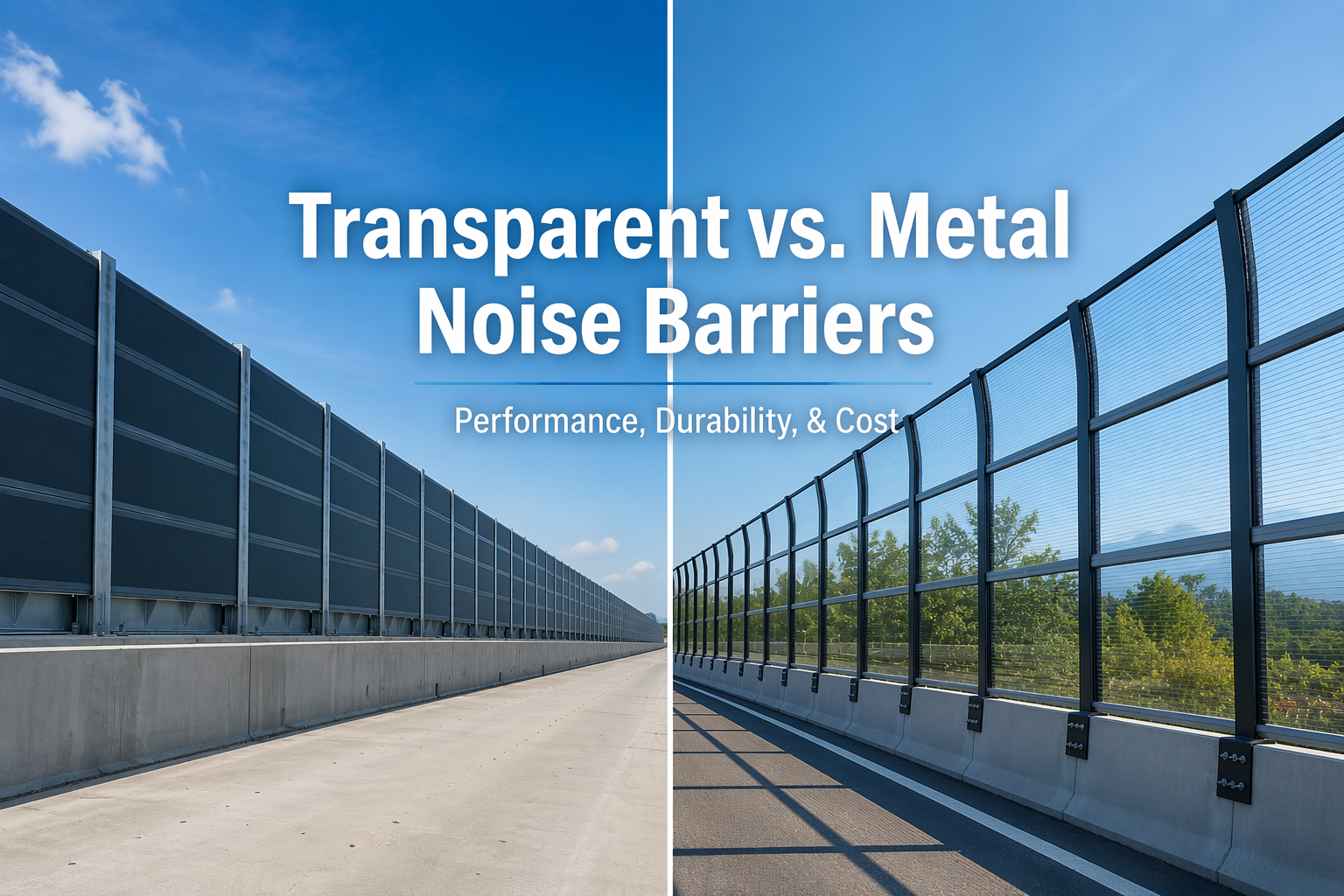
Transparent vs. Metal Noise Barrier: What Are the Differences and How to Choose?

21

Jul

Transparent vs. Metal Noise Barrier: What Are the Differences and How to Choose?

Introduction to Traffic Noise Control Solutions With the continuous development of highways, railways, bridges, and urban expressways, traffic noise has become a growing environmental concern. To improve the acoustic environment for nearby communitie...
View More

Get a Free Quote

Our representative will contact you soon.
Email
Name
Company Name
Message
0/1000

Get a Free Quote

Our representative will contact you soon.
Email
Name
Company Name
Message
0/1000