 EN
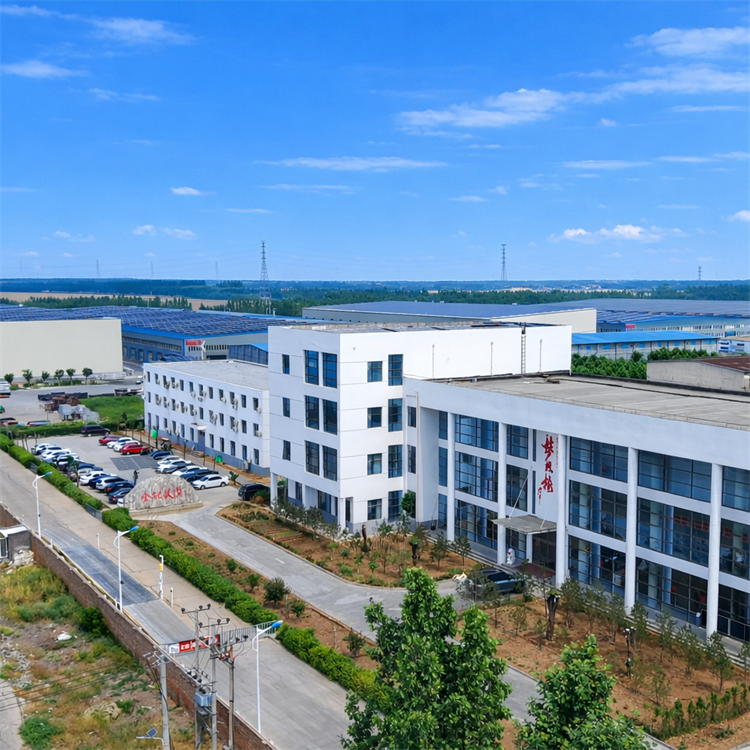
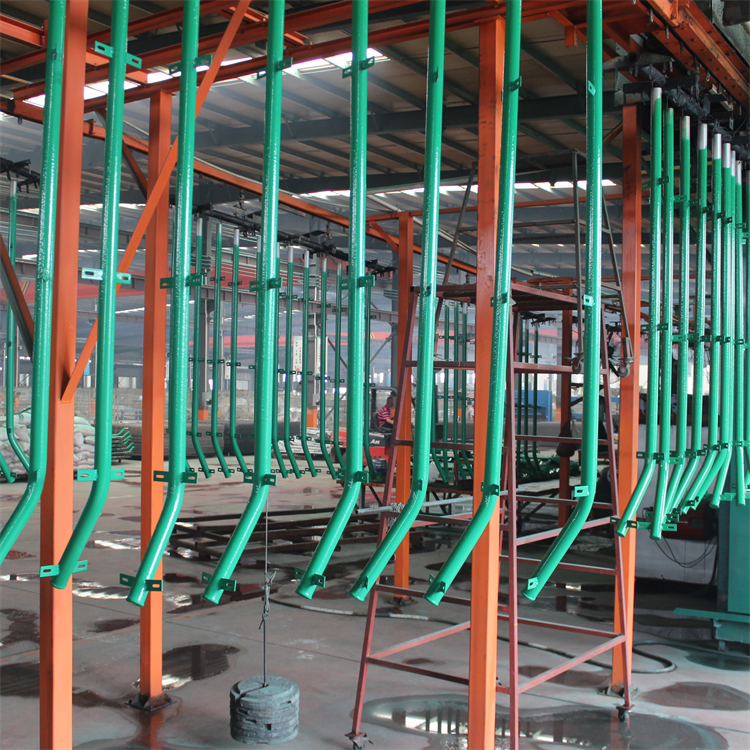
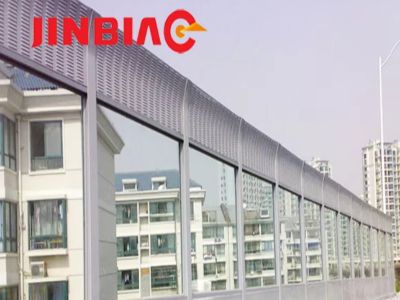
In the realm of construction materials, Hebei Jinbiao Construction Materials Tech Corp., Ltd. stands out as a premier manufacturer specializing in traffic safety materials, including noise barriers and steel structures. Founded in 2005 and equipped with ISO 9001, 14001, and 45001 certifications, the company addresses key concerns for B2B buyers such as product quality, regulatory compliance, and application suitability. This article will explore critical factors to consider when sourcing acoustic barriers for construction sites and steel structures, key specifications, and best practices for large-scale project material sourcing.


Key Specifications for Traffic Safety Materials You Should Know
Understanding the specifications of traffic safety materials is essential for making informed purchasing decisions. Key specifications to focus on include:
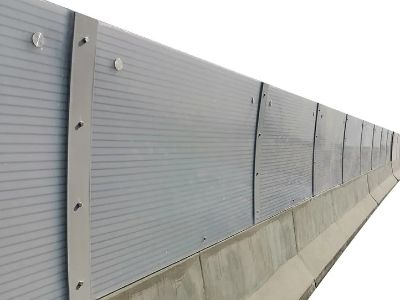
Thickness: The thickness of noise barriers affects their sound attenuation capabilities. Thicker barriers generally provide better noise reduction.
Material Composition: Common materials include concrete, steel, and composites, each influencing sound absorption, durability, and installation ease.
Height and Length: These dimensions will depend on the specific noise reduction requirements and the layout of the installation site.
Environmental Resistance: Barriers should be resistant to weather conditions, UV light, and corrosion, especially in outdoor applications.
Regulatory Compliance: Ensure that the materials meet local and national standards for safety and environmental impact.
By confirming these specifications with your supplier, you can ensure that the product meets the demands of your project and complies with relevant regulations.