 EN
Finding a reliable fence manufacturers is crucial for any project involving boundary demarcation, security, or aesthetic enhancement. As a purchasing manager or project engineer, you need to consider various factors such as material quality, production capabilities, and the supplier's reputation. This article will guide you in understanding where to find reliable fence suppliers, the material advantages, cost considerations, negotiation strategies, and how to make informed purchasing decisions.
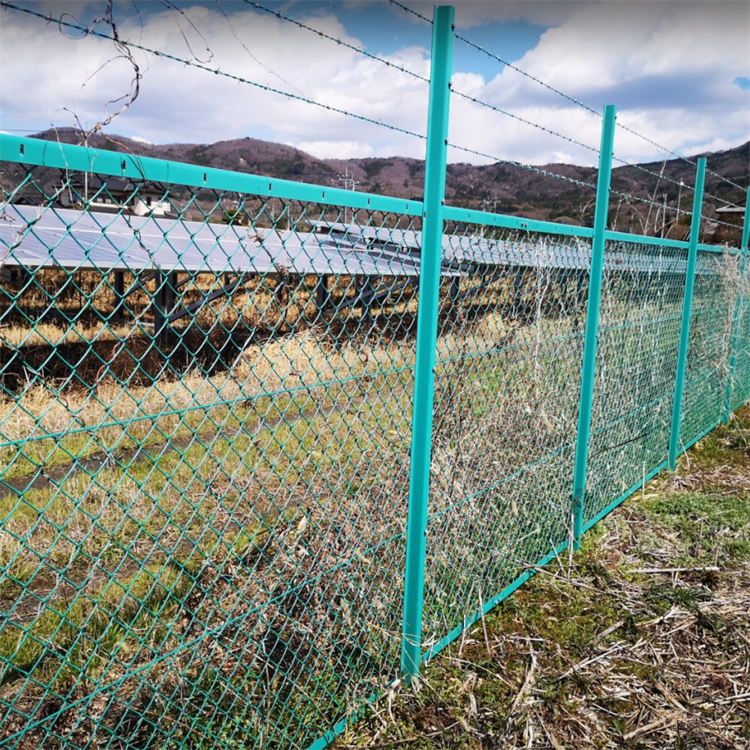
Material Advantages and Applications
The choice of material significantly impacts the performance, durability, and cost of fencing solutions. Common materials used by fence manufacturers include:
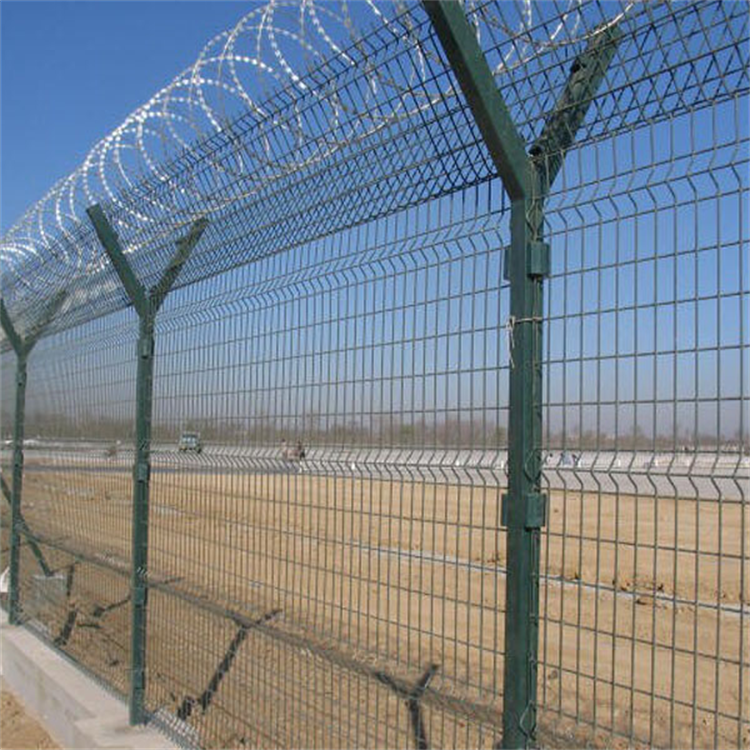
Steel: Known for its strength and longevity, steel fencing is ideal for high-security applications such as prisons or military bases. It can withstand extreme weather conditions and is often coated for rust resistance.
Aluminum: Lightweight and corrosion-resistant, aluminum is perfect for residential and decorative fencing. It offers a balance between aesthetics and functionality, making it suitable for gardens and pools.
Vinyl: This material is gaining popularity due to its low maintenance needs and variety of designs. Vinyl fences are durable and resistant to fading, making them an excellent choice for residential properties.
Wood: Often chosen for its natural appearance, wood fencing requires regular maintenance to prevent decay and insect damage. It is best suited for residential applications where aesthetics are a priority.
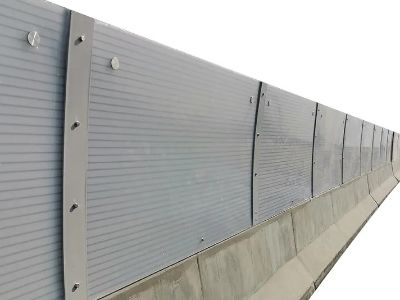
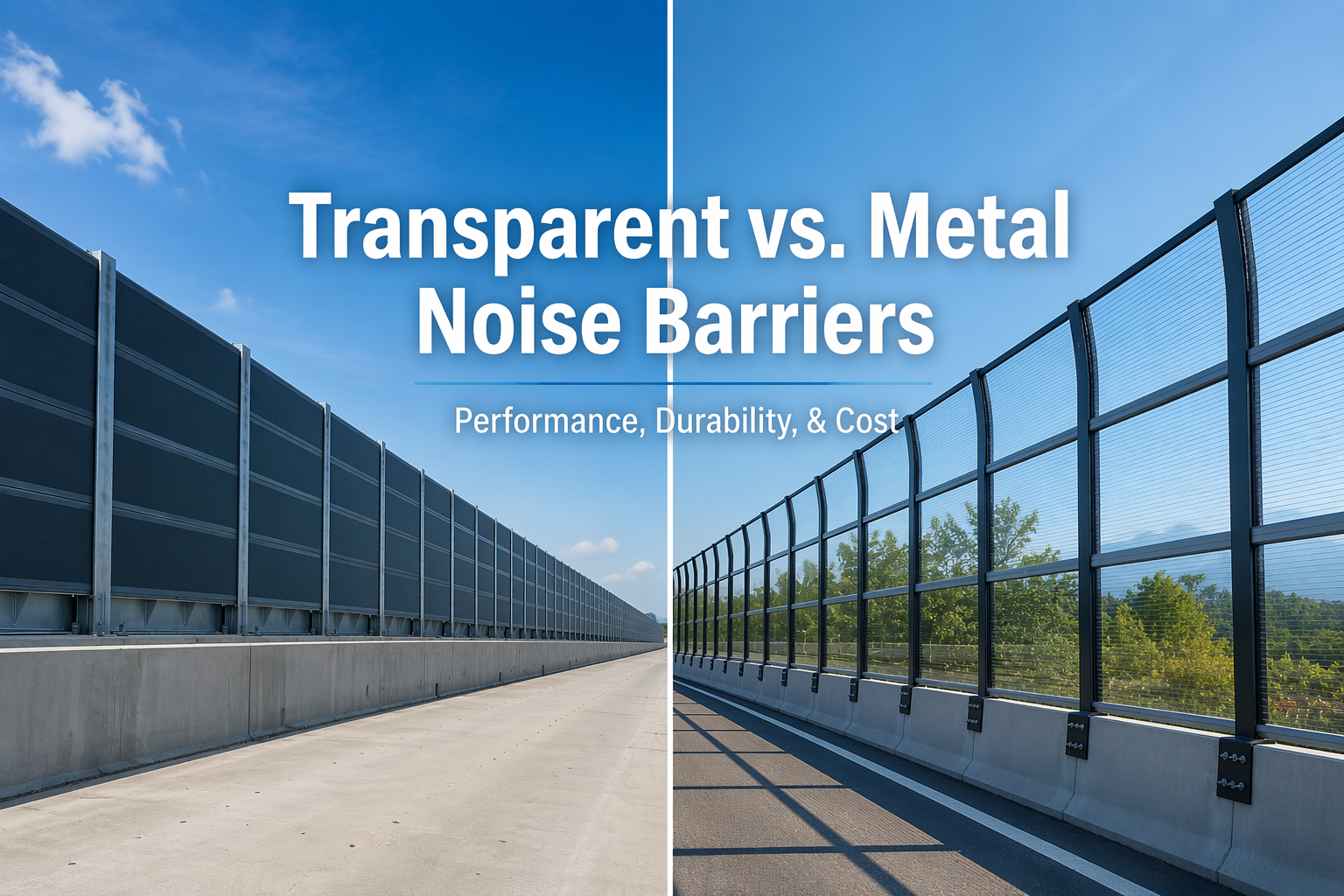
Understanding the material advantages and applications of these materials can help you select the best option based on your project's specific requirements. For example, if a noise barrier is needed for a railway project, steel or specialized composite materials may be more appropriate due to their robustness.