 EN
Farm perimeter fencing is an essential solution for agricultural operations, designed to protect crops and livestock while defining property boundaries. For B2B buyers, such as purchasing managers and farm managers, selecting the right fencing involves several considerations, including material durability, installation challenges, and compliance with local regulations. This article aims to provide you with practical insights into sourcing, specifications, installation, evaluate quality, and common issues related to farm perimeter fences, helping you make informed decisions for your agricultural needs.
Key Specifications to Consider for Farm Perimeter Fencing
When evaluating farm perimeter fencing, several key specifications should be considered to ensure optimal performance:
Material Type: Common materials include steel, wood, and composite options. Steel is often favored for its durability and resistance to weather elements, whereas wood may offer aesthetic benefits but requires more maintenance.
Height and Length: The dimensions of the fence should be tailored to the specific needs of your farm. Taller fencing may be necessary to deter larger animals, while the length should align with the property boundaries.
Gauge and Thickness: For steel fencing, the gauge (thickness) is critical. Thicker materials generally offer better security and longevity, especially in high-wear areas.
Coating and Treatment: Protective coatings, such as galvanization or powder coating, can greatly enhance the lifespan of metal fencing by preventing rust and corrosion.
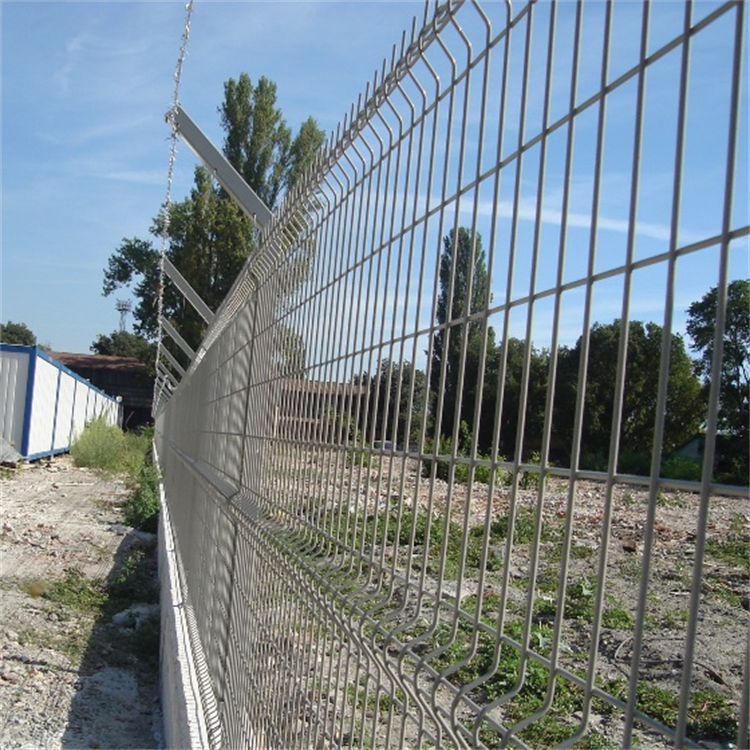
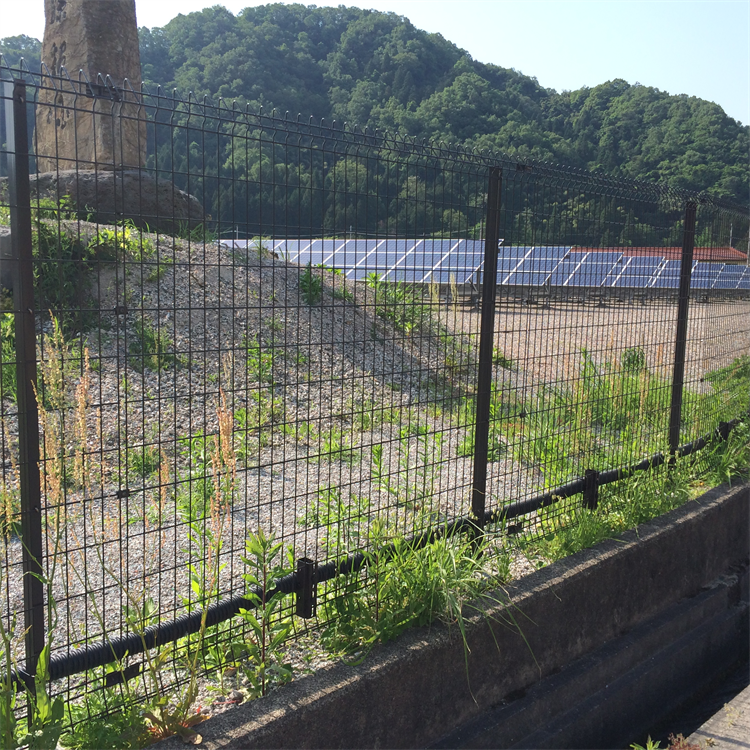
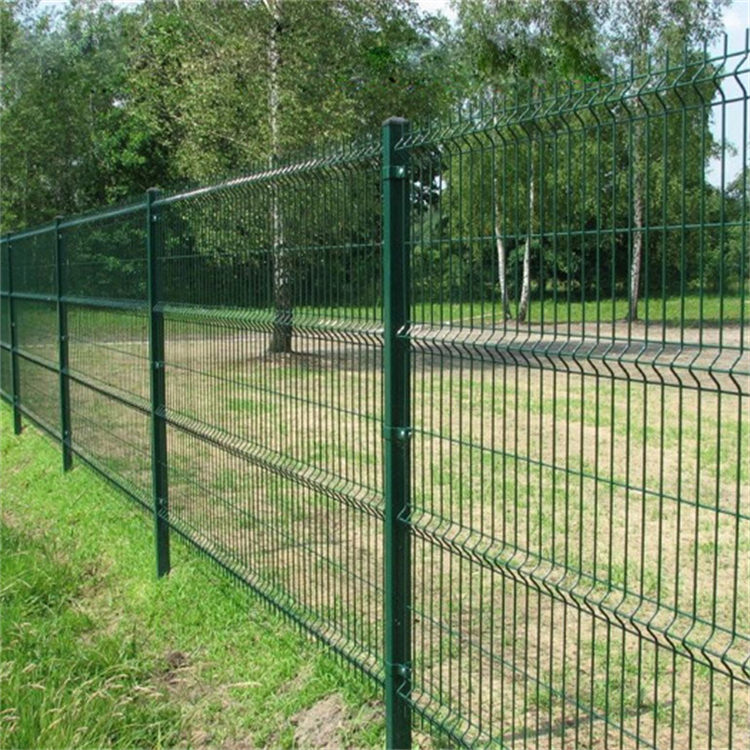
Design Features: Consider additional features such as barbed wire for enhanced security or mesh designs for visibility without compromising safety.
Each of these specifications affects the performance and suitability of the fencing for your specific agricultural application. Consult with your supplier to confirm that these specifications align with your operational needs.