
 EN
EN
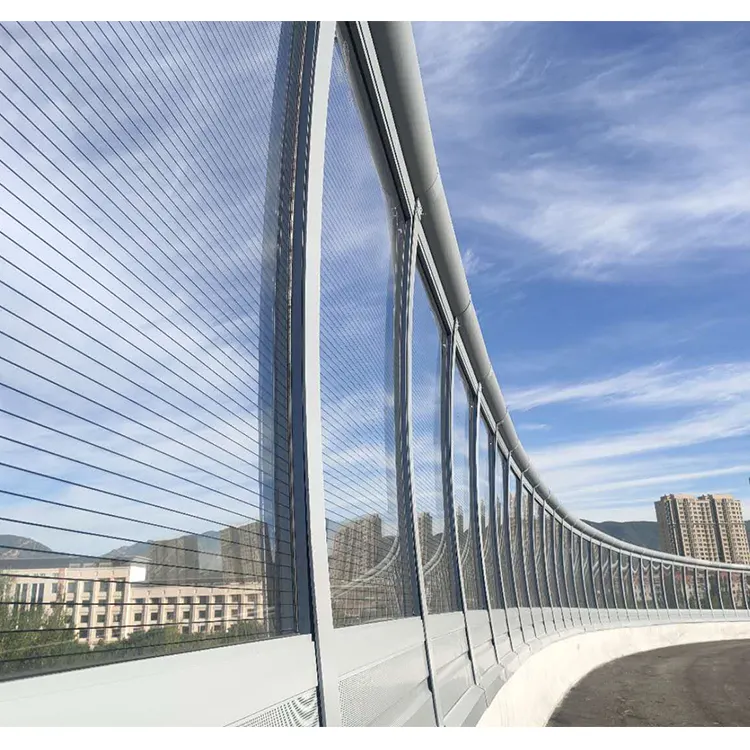
PMMA sound insulation screens are of great significance in modern architecture. These barriers, which are constructed from a tough and long-lasting material called PMMA, provide multiple advantages for buildings. They are particularly effective in improving sound insulation, to help maintain comfortable and pleasant living and working areas. Let’s take a look at how PMMA Noise Barrier are shaping up in the world of modern architecture.
What makes PMMA barriers so important for modern architecture?
PMMA noise barriers offers various advantages to modern architecture. They are also extremely durable – which is just as important! These are not short-term covers, they are here to stay protecting your ears from noise pollution for years. PMMA noise barriers also are adaptable in design to enable further seamless integration with different architectural styles from architects. They can be tailored to particular building requirements and appearances so architects and designers love them. In addition, PMMA noise screens require minimal maintenance which reduces time and money in the future. In summary, PMMA Noise Barrier have advantages that recommend them as an interesting solution for contemporary architectural applications.
Acoustic insulation in buildings with noise barriers made of PMMA
PMMA sound barriers are very effective in improving sound insulation indoors. These noise barriers can help architects minimize the effect of outdoor noise within interior settings when installed. PMMA's sound isolation feature provides a serene and tranquil atmosphere that is conducive to concentrating, working and learning better. Moreover, these PMMA noise barrier insulation can be used to direct the sound only where it is most likely to affect a home located close to a busy road or building site. Architects can use this focused design approach to customize sound control solutions for their specific building project. In general, PMMA noise barriers are of great significance to improving the sound insulation in a building, resulting more comfortable and usable limiting space.
The Role of PMMA Noise Barrier in Modern Architecture
In the city Jinbiao PMMA soundproof barriers can play an important role in terms of lower noise pollution, ensuring the residents have comfortable and peaceful living conditions. These noise barriers are typically installed alongside highways, railways and industrial facilities to reduce the sound of traffic, trains and operation equipment. PMMA noise barriers absorb and reflect sound waves, therefore have good noise reduction effect to reduce the noise pollution caused by traffic so as to protect residents near the arteries of highway.
The distinctive features of Jinbiao PMMA noise barriers in the industry is durability, flexibility and appearance, etc. Fabricated from quality materials these gates are designed to last in severe risk weather conditions with little maintenance needed. They are available with standard, as well as custom heights to suit virtually any needs and come in many colors and finishes to match your decor. In addition, Jinbiao PMMA noise barrier is easy to install and our workers can install them on site efficiently so that they are suited for urban area, when compared with others, it's an economical choice.
Conclusion
Apart from these functional advantages, Jinbiao PMMA sound barriers belong to the increasingly important theme of ecological building. In addition to lowering noise levels, such barriers contribute to better living conditions of inhabitants and a greater eco-friendly design throughout town. Additionally, PMMA noise barriers are made of recyclable materials which means they are an eco-friendly alternative for architects and developers who want to lessen the impact on environment. Generally speaking, JinbiaoPMMA noise barriers are the indispensable part of contemporary architecture and can contribute both aesthetical and functional values towards environment protection and eco-construction.