 EN
Soundproof fences are essential solutions for noise reduction in various outdoor settings, particularly in urban and industrial environments. These barriers not only enhance privacy but also improve the overall quality of life by mitigating sound pollution. B2B buyers, such as purchasing managers, engineers, and project managers, often seek robust and effective soundproof fencing options. This article will explore critical considerations for selecting soundproof fence panels, including quality and cost factors, specifications, installation challenges, supplier reliability, and key applications.


Understanding Soundproof Fence Specifications for Effective Purchases
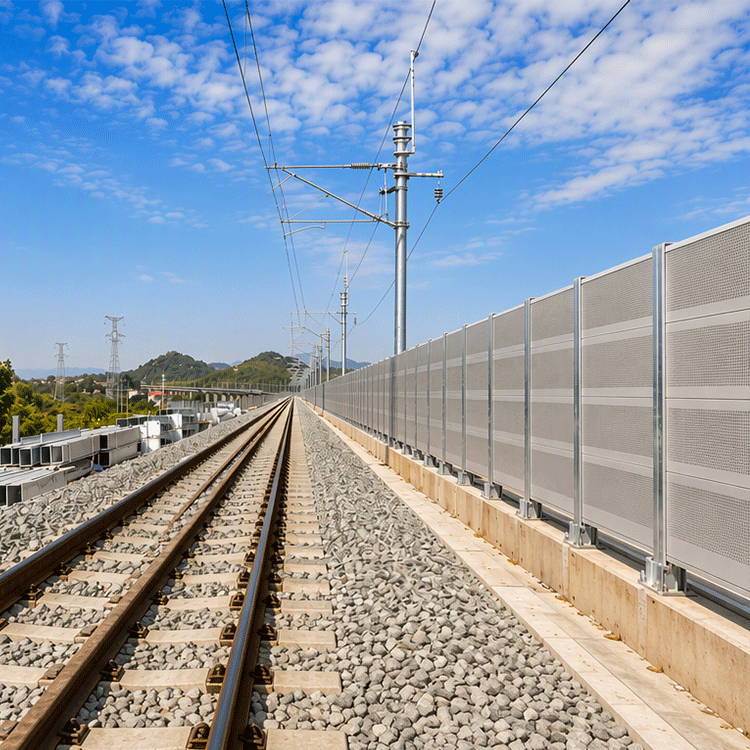
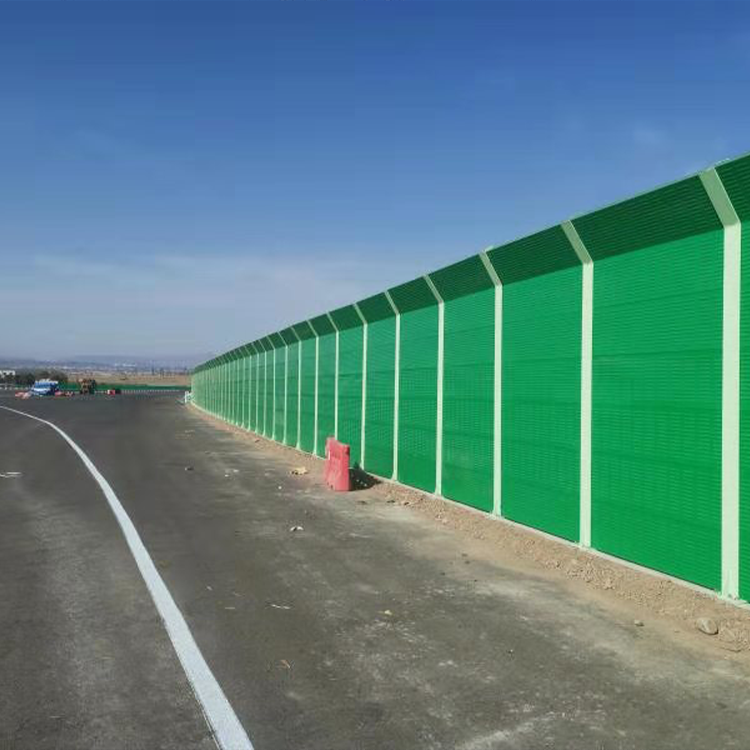
Soundproof fences come with various specifications that directly impact their performance. Key specifications include:
Material Composition: Different materials offer varying levels of sound attenuation. For example, solid concrete fences typically provide superior noise reduction compared to wooden fences. Evaluating the material’s density and thickness is crucial, as they significantly influence soundproofing effectiveness.
Height and Length: The dimensions of the soundproof fencing affect its noise-blocking capability. Taller and longer soundproof fencing can better obstruct sound waves, making them ideal for high-traffic areas.
Acoustic Rating: This rating indicates the fence’s ability to reduce sound transmission. Buyers should look for sound absorbing fence with higher acoustic ratings for maximum soundproofing.
Sealing and Installation Method: Proper installation and sealing are essential for preventing sound leakage. Buyers should ensure that installation methods align with manufacturer recommendations to maintain performance standards.
Understanding these specifications allows buyers to make informed decisions based on their specific noise reduction needs, ensuring the soundproof fencing chosen aligns with their project requirements.