Key Specifications for Sound Barrier Road Solutions

All Categories

Get a Free Quote

Our representative will contact you soon.
Email
Name
Company Name
Message
0/1000

Sound barrier road

Sound barrier roads are crucial infrastructure components designed to mitigate noise pollution from highways, railways, and other high-traffic areas. For B2B buyers such as purchasing managers, engineers, and project managers, the selection of sound barrier road products involves careful consideration of specifications, sound barrier road applications, and installation requirements. This article will provide insights into these critical aspects, helping you make informed decisions when sourcing sound barrier insulation for your projects. 
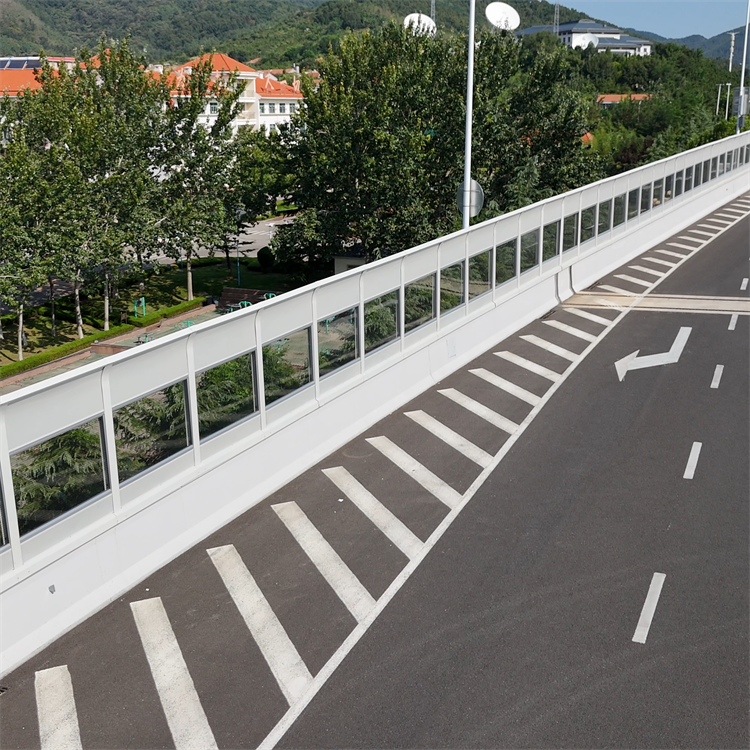
Top Applications for Sound Barrier Road Solutions in Construction

Top Applications for Sound Barrier Road Solutions in Construction

Sound barrier road solutions are increasingly utilized across various applications in construction, primarily focusing on environments where noise pollution is a concern. Key applications include: 

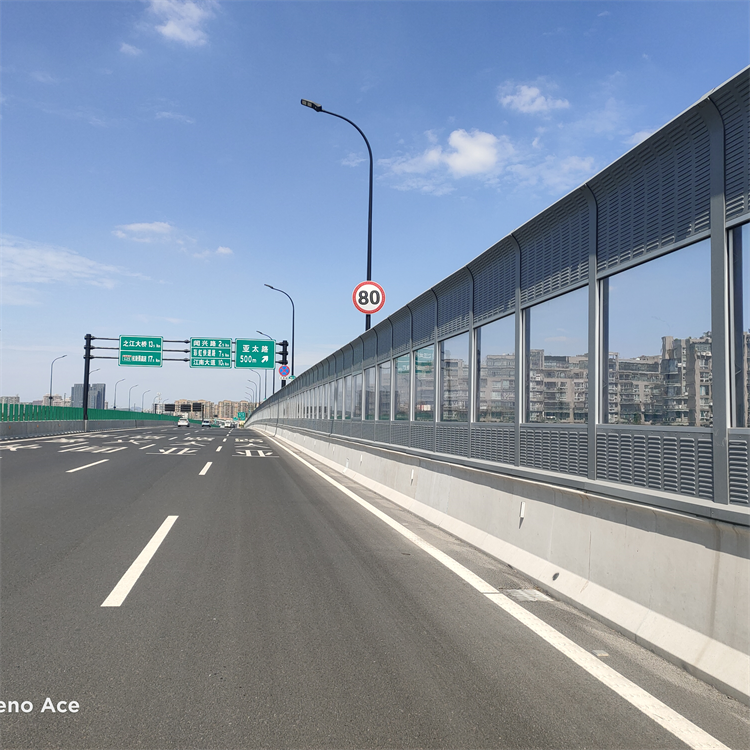
Highways and Motorways: These are the most common applications for sound barrier wall panels. Placed along busy roads, they help protect residential areas and public spaces from traffic noise. 

Railways: Sound barriers along railway lines are critical for minimizing noise pollution from trains, especially in urban areas where proximity to residential areas is high. 

Municipal Projects: Cities often incorporate sound barriers into urban planning to enhance the quality of life for residents living near busy roads or commercial districts. 

Industrial Zones: In areas where manufacturing or heavy industries operate, sound barriers are essential to mitigate noise generated by machinery and operations, ensuring compliance with local noise regulations. 

Transit Systems: Sound barriers are also used in light rail and monorail systems to minimize noise impact on surrounding environments. 

Understanding these applications can guide buyers in selecting the right type of sound barrier to meet specific project needs. 
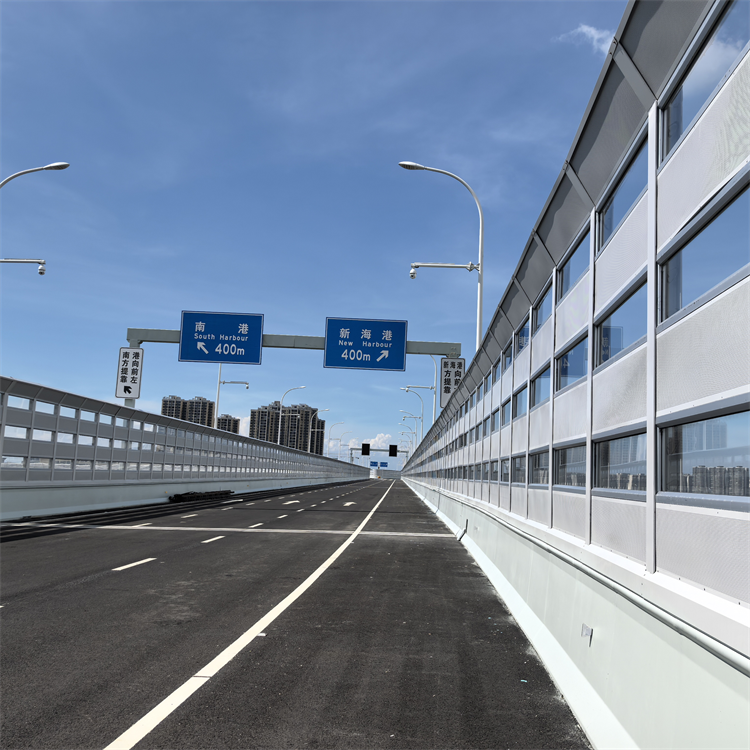
Installation Guidance for Effective Sound Barrier Road Solutions

Installation Guidance for Effective Sound Barrier Road Solutions

Proper installation is critical for the performance of sound barrier road solutions. Here are some key considerations: 

Site Assessment: Before installation, conduct a thorough site assessment to identify the noise sources, proximity to sensitive areas, and environmental factors that may affect the placement and design of the barrier. 

Foundation and Support Structures: Ensure that appropriate foundations are prepared to support the sound barrier. Ground stability and soil conditions should be evaluated to prevent settling or structural failure. 

Alignment and Height: The alignment of the sound barrier should be carefully planned to maximize its effectiveness in blocking noise. Height should be adjusted based on the specific noise source and the intended audience. 

Installation Techniques: Use appropriate equipment and methods for installation, which may include cranes for heavy panels or specialized tools for securing barriers in place. Adhering to the manufacturer’s guidelines during this phase is crucial. 

Post-Installation Inspection: After installation, conduct a thorough inspection to ensure that the barriers are correctly aligned, securely installed, and free from defects that could compromise performance. 

By following these guidelines, buyers can enhance the effectiveness of their sound barrier installations, ensuring long-term performance and compliance with noise reduction goals. 

Wholesale Purchasing Tips for Sound Barrier Road Products

Wholesale Purchasing Tips for Sound Barrier Road Products

When preparing to purchase sound barrier road products in wholesale quantities, consider the following tips to streamline the process and ensure quality: 

Request Detailed Quotes: Provide potential suppliers with clear specifications, including dimensions, materials, and required performance metrics. This helps ensure that the quotes you receive are accurate and reflect your needs. 

Evaluate Minimum Order Quantities (MOQ): Understand the MOQ set by manufacturers, as this can affect your overall purchasing strategy. Smaller projects may require negotiation for lower MOQs or alternative sourcing strategies. 

Consider Lead Times: Inquire about production and delivery lead times, as these can vary significantly based on material availability and production schedules. Planning ahead can help avoid delays in project timelines. 

Check Samples: Request samples before finalizing large orders. Reviewing samples allows you to assess material quality, finish, and overall suitability for your application. 

Supplier Reputation: Research potential suppliers to confirm their reputation and reliability. Look for reviews, case studies, and references to gauge their experience with similar projects. 

Applying these tips can help ensure a smooth purchasing process, enabling buyers to secure high-quality sound barrier products that meet their project requirements. 

Comparing Sound Barrier Road Options for Your Next Project

When comparing sound barrier road options, it’s essential to evaluate each product against your project’s specific needs. Here are factors to consider: 

Performance Metrics: Compare STC ratings and other acoustic performance metrics across different sound barrier road products to identify which barriers will provide the required noise reduction. 

Material Suitability: Assess the materials used in each product. Concrete barriers may offer longevity, while lighter materials could simplify installation. 

Cost Considerations: Analyze the total cost of ownership, including purchase price, installation expenses, and long-term maintenance. A lower initial cost may not always represent the best long-term solution. 

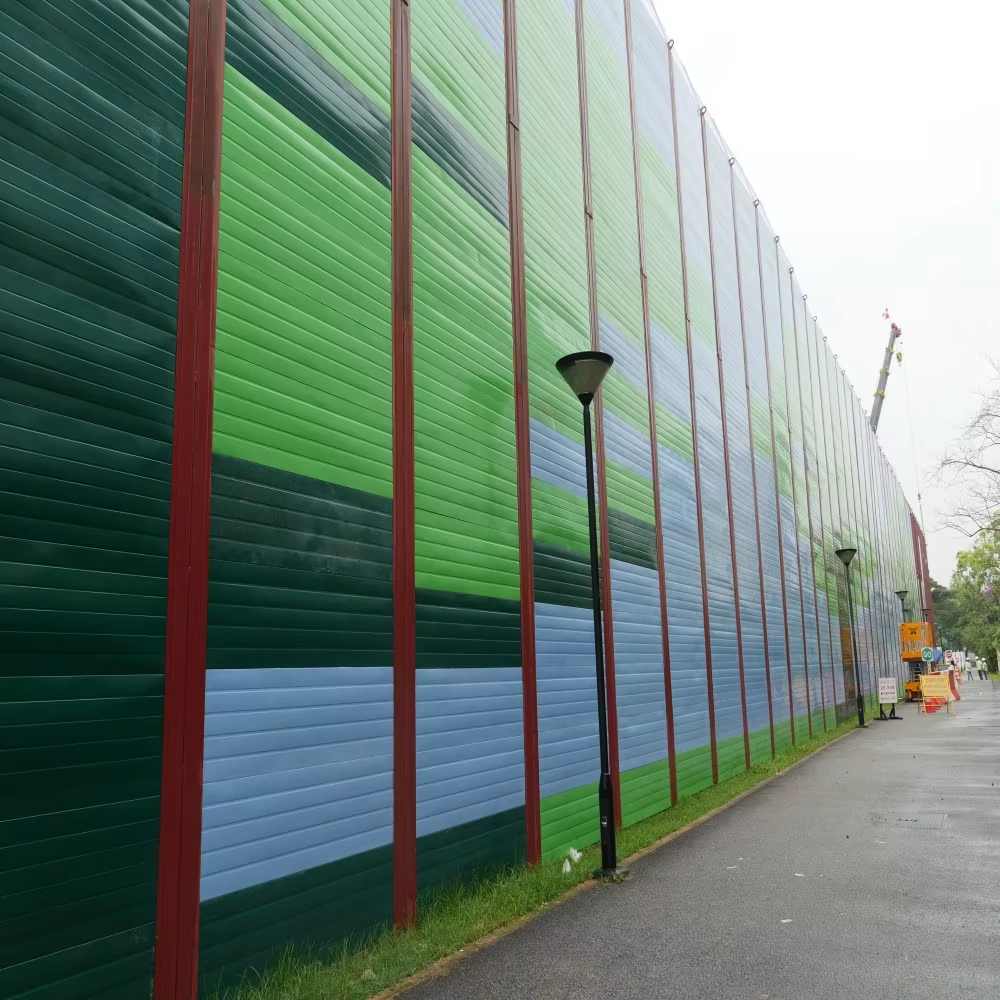
Customization Capabilities: If your project requires specific designs or features, confirm the customization options available from each manufacturer. This can include color, texture, and integration with existing structures. 

Regulatory Compliance: Ensure that the sound barrier road products meet local regulations concerning noise levels and material specifications. This can prevent potential legal issues and ensure project approval.  

By focusing on these comparison criteria, buyers can make informed decisions that align with their project goals and budgetary constraints.    

Key Specifications to Evaluate for Sound Barrier Road Products

When evaluating sound barrier road products, several key specifications are essential to ensure that the selected solution meets the project's noise reduction requirements. 

Material Composition: Common materials for sound barriers include concrete, metal, and composite materials. Each material offers distinct advantages; for example, concrete provides durability and excellent sound attenuation, while composite materials may be lighter and easier to install. 

Thickness and Height: The effectiveness of a sound barrier in reducing noise can depend significantly on its thickness and height. Typically, thicker barriers provide better sound insulation. The height should be sufficient to block the line of sight to the noise source, as this is critical for effective sound attenuation. 

Acoustic Performance Ratings: Look for sound transmission class (STC) ratings, which indicate how effectively a barrier reduces sound. Higher STC ratings correlate with better performance in noise reduction. 

Durability and Weather Resistance: Given that sound barriers are exposed to environmental elements, evaluating their resistance to weathering, moisture, and UV degradation is necessary. Certifications such as ISO 9001, 14001, and 45001 can indicate adherence to quality and environmental management standards. 

Customization Options: Many projects require specific dimensions or features. Confirm the manufacturer’s capabilities for customization, which can include color, surface treatment, and integration of design elements. 

By assessing these specifications, buyers can ensure that the sound barrier sheets selected will perform effectively in their intended applications. 

Frequently Asked Questions

What is a sound barrier road and its purpose?

A sound barrier road is a roadside structure designed to reduce traffic noise for nearby areas, improving living and working environments along highways, railways and urban transit corridors.
We use durable materials including steel structures combined with noise-absorbing panels, corrosion-resistant coatings and customizable infills to meet highway, railway and municipal specifications.
Yes. We integrate R&D, design, production and onsite installation, offering full project services from noise assessment to finished barrier erection.
Yes. Our company holds ISO 9001, 14001 and 45001 certifications, and our production adheres to national and industry standards for traffic noise control.
Absolutely. We customize height, length, panel type and finish to suit highways, railways and municipal projects, and provide technical support for project-specific requirements.

Our Blog Posts

Latest Trends in Prefab TNCB Noise Barrier Manufacturing

06

Dec

Latest Trends in Prefab TNCB Noise Barrier Manufacturing

TNCB prefabricated noise barriers have been playing a crucial role in cities and highways toward making them quieter. These walls provide a barrier that muffles the thundering noise from traffic, trains and factories so people living nearby can have ...
View More
Latest Trends in Modular Fully Enclosed Noise Barrier Installations

29

Nov

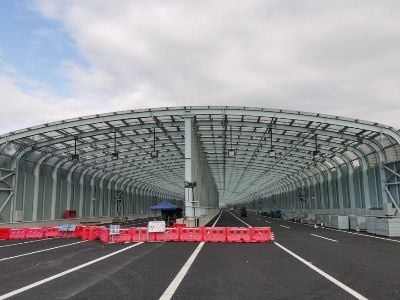
Latest Trends in Modular Fully Enclosed Noise Barrier Installations

These barriers are used near highways, factories and other noisy abominations for keeping homes or workplaces safe. The latest designs ensure they wil look good and last long. There are times when choosing a Noise Barrier can be challenging, because ...
View More
Latest Trends in Bifacial Solar Noise Barrier Panels

05

Jan

Latest Trends in Bifacial Solar Noise Barrier Panels

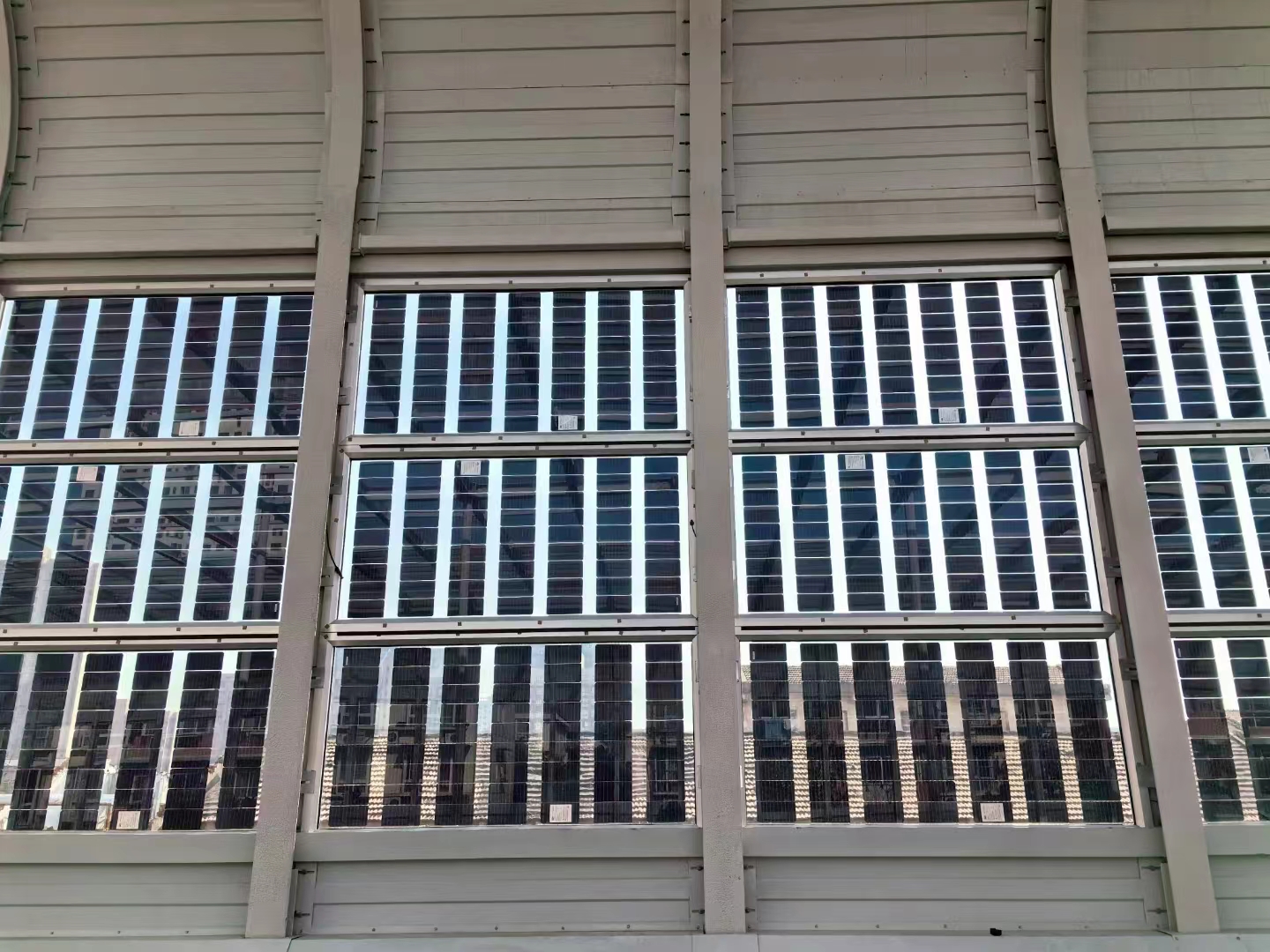
Bifacial ones are particularly desirable as photovoltaic devices on it can take advantage to the noises that transmits into a things inside or around it from both sides. These unique panels do not just block sound but they also trap sunlight from eit...
View More

Get a Free Quote

Our representative will contact you soon.
Email
Name
Company Name
Message
0/1000

Related product categories

Get a Free Quote

Our representative will contact you soon.
Email
Name
Company Name
Message
0/1000