 EN
Choosing the right fence suppliers is crucial for any B2B buyer looking to secure reliable, durable, and effective fencing solutions for various applications. This article aims to guide purchasing managers, engineers, and project managers in evaluating potential fence suppliers, assessing product quality, and understanding the nuances of different fencing materials. The goal is to empower buyers with the knowledge they need to make informed decisions when partnering with sound insulating fence suppliers, thereby ensuring successful project outcomes.


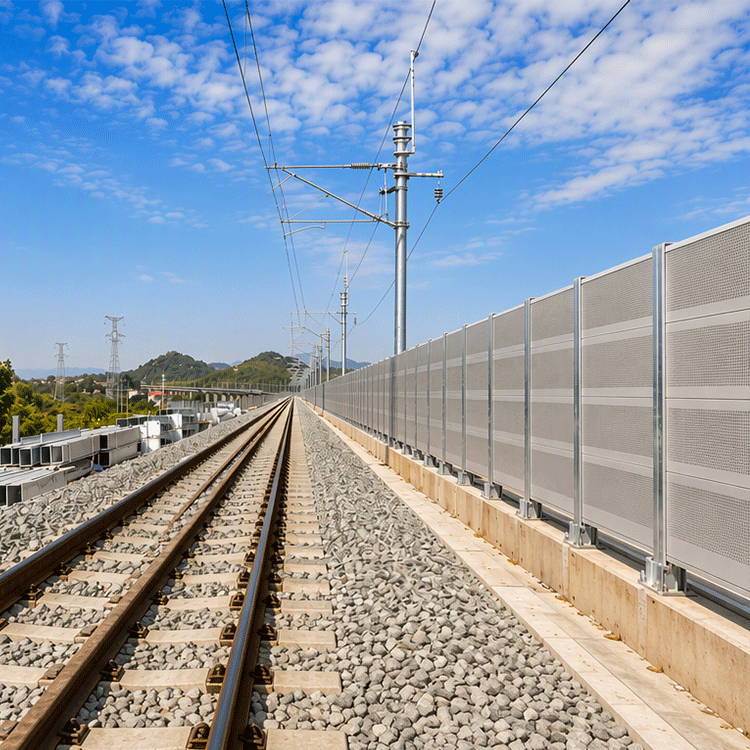
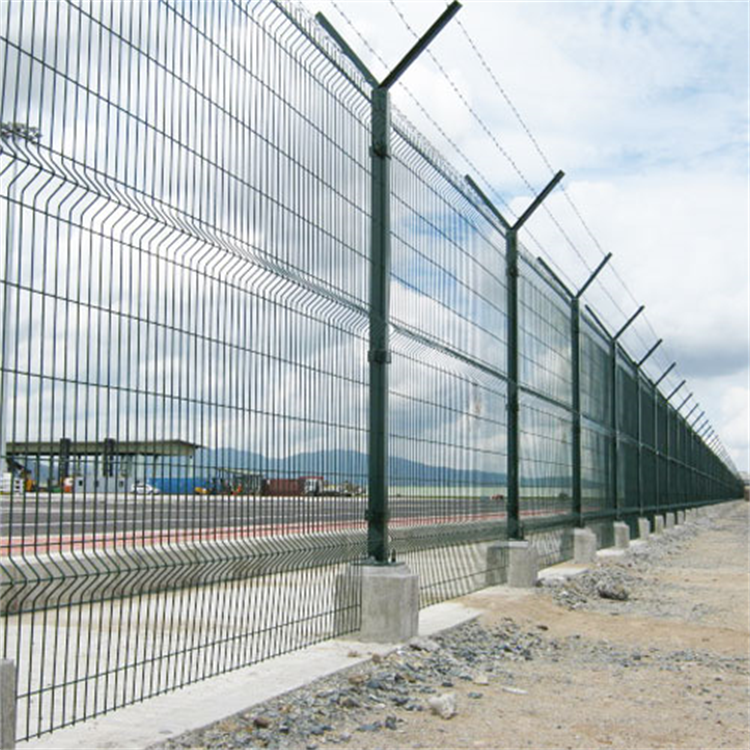
How to Evaluate the Quality of Fence Manufacturing Materials
The quality of materials used in Jinbiao fencing significantly impacts durability, performance, and safety. Begin by examining the material specifications, such as gauge thickness, type of steel, and corrosion resistance. For instance, a thicker gauge may be necessary for applications exposed to harsh weather conditions, while galvanized steel can provide better resistance to rust.
Next, inquire about the manufacturing processes employed by the fence suppliers. Advanced production techniques and quality control measures, such as automated welding and surface treatments, can enhance the longevity of fencing solutions. Suppliers should be transparent about their quality assurance processes, which may include testing for structural integrity and compliance with relevant standards.
Additionally, consider the environmental impact of the materials. Suppliers should be able to provide data on the sustainability of their materials, as well as any eco-friendly certifications. This not only aids in compliance with regulations but also aligns with the growing trend of sustainability in construction.