Compared with smaller solar carport systems, the nine-car configuration is particularly suitable for larger commercial projects where both energy generation and parking capacity are important. The system supports various energy management options, including grid-tied operation, off-grid systems, or hybrid configurations with battery storage. Generated electricity can be used for building operations, EV charging stations, or exported to the utility grid to improve overall energy efficiency.
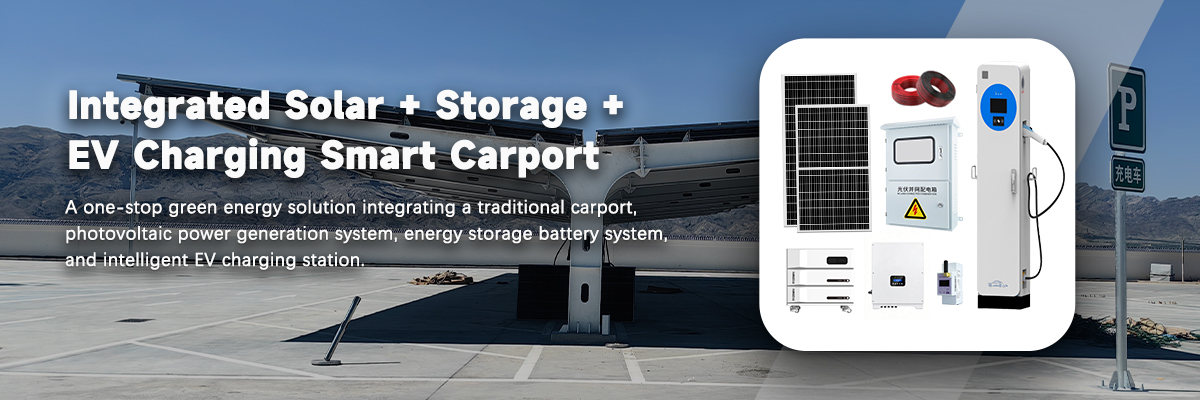
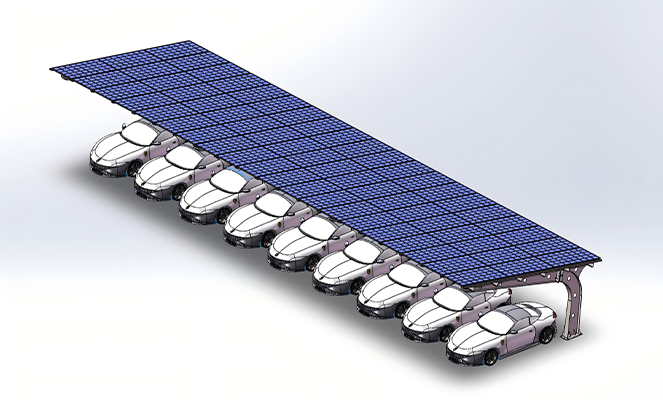
The 35.4 kW Nine-Car Parking Solar Carport System is a large-capacity photovoltaic parking solution designed for high-demand energy applications and large parking areas. By integrating solar power generation with a multi-vehicle parking structure, the system efficiently transforms parking spaces into a productive renewable energy platform while providing reliable protection for vehicles.
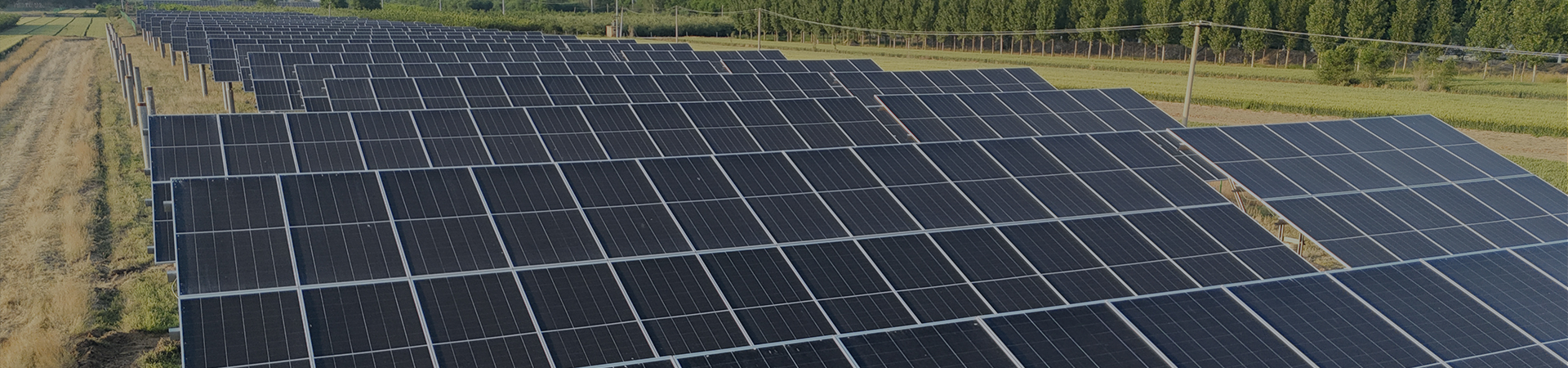
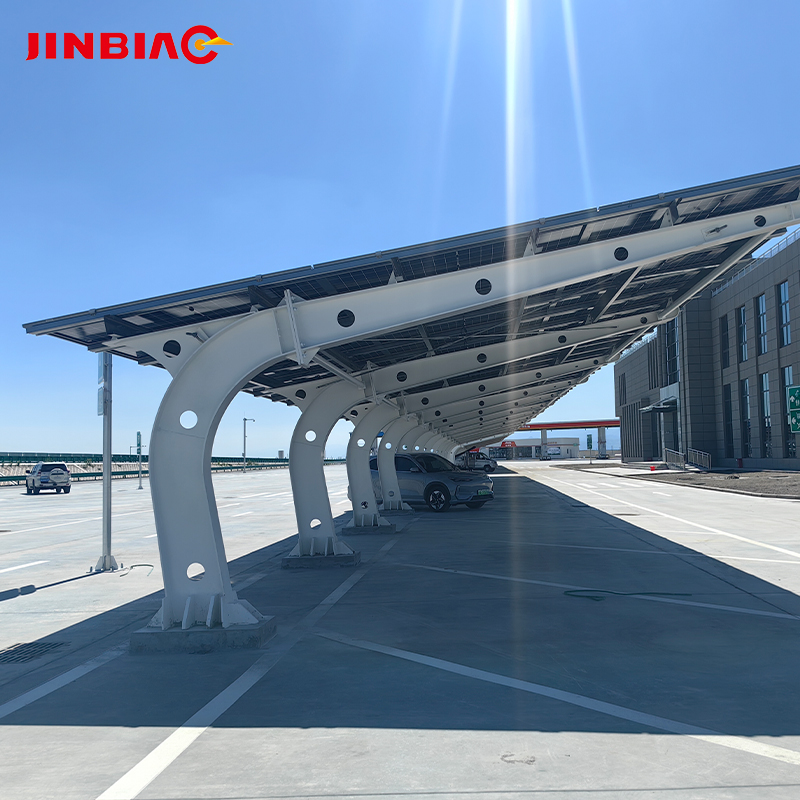
This solar carport is engineered with a robust steel framework, offering excellent structural stability, wind resistance, and long-term durability in outdoor environments. The roof structure is fitted with high-efficiency photovoltaic modules with a total installed capacity of 35.4 kW, enabling the system to generate a significant amount of clean electricity throughout the day.
Compared with smaller solar carport systems, the nine-car configuration is particularly suitable for larger commercial projects where both energy generation and parking capacity are important. The system supports various energy management options, including grid-tied operation, off-grid systems, or hybrid configurations with battery storage. Generated electricity can be used for building operations, EV charging stations, or exported to the utility grid to improve overall energy efficiency.
With its scalable modular design and efficient use of space, the 35.4 kW Nine-Car Parking Solar Carport System is widely applied in shopping malls, corporate campuses, industrial parks, hospitals, universities, and large public parking facilities. It provides a practical solution for organizations seeking to reduce energy costs, lower carbon emissions, and promote sustainable infrastructure development.
35.4kW Nine-Car Solar Carport Grid-Tied System
|
Daily Power Generation ≈ 110 kWh |
Solar Panels 590W × 60 pcs |
Grid-Tied Inverter 30 kW × 1 unit |
EV Charging Pile 7 kW × 2 unit |
Energy Storage Battery None |
|
Distribution Box 30 kW Customized Distribution Box |
Anti-Backflow Device VDG-EM-3 Model |
DC Cable PV1-F 4mm², 480 m |
Ground / AC Cable Included |
Carport Size Length: 23500 mm Width: 7000 mm Height: Low side 2700 mm |
35.4kW Nine-Car Solar Carport Off-Grid System
|
Daily Power Generation ≈ 110 kWh |
Solar Panels 590W × 60 pcs |
Off-Tied Inverter 11 kW × 3 unit |
EV Charging Pile 7 kW × 2 unit |
Energy Storage Battery 48 kWh × 1 set |
|
Distribution Box 30 kW Customized Distribution Box |
Anti-Backflow Device VDG-EM-3 Model |
DC Cable PV1-F 4mm², 480 m |
Ground / AC Cable Included |
Carport Size Length: 23500 mm Width: 7000 mm Height: Low side 2700 mm |
35.4kW Nine-Car Solar Carport Hybrid System
|
Daily Power Generation ≈ 110 kWh |
Solar Panels 590W × 60 pcs |
Hybrid Inverter 15 kW × 2 unit |
EV Charging Pile 7 kW × 2 unit |
Energy Storage Battery 64 kWh × 1 set |
|
Distribution Box 30 kW Customized Distribution Box |
Anti-Backflow Device VDG-EM-3 Model |
DC Cable PV1-F 4mm², 480 m |
Ground / AC Cable Included |
Carport Size Length: 23500 mm Width: 7000 mm Height: Low side 2700 mm |
The system combines a nine-vehicle parking structure with a photovoltaic roof of about 35.4 kW installed capacity. It is supplied as a structural package – high-strength steel frame, columns, purlins, module mounting rails and foundation interfaces – and can be configured for grid-tied, off-grid or hybrid operation with battery storage. EV charging integration is available as an option.
The nine-car configuration is intended for larger parking areas and commercial sites where both energy output and parking capacity matter, such as office and retail car parks, industrial and logistics yards, fleet depots and public facilities. Covering more vehicles with one structure also reduces the number of separate foundations and connection points compared with several smaller units.
Yes. The output can supply building operations directly, charge electric vehicles, be stored in batteries, or be exported to the utility grid, depending on the configuration selected. The mix is normally decided during design, based on the daytime load profile, the expected EV charging demand and whether grid export is permitted at the site.
The frame is manufactured in high-strength steel, with the surface treatment selected to suit the site environment. Hot-dip galvanizing, or galvanizing with an additional coating, is commonly specified for humid, coastal and industrial locations. Fasteners and brackets are supplied in galvanized or stainless steel, and cut edges are treated during production.
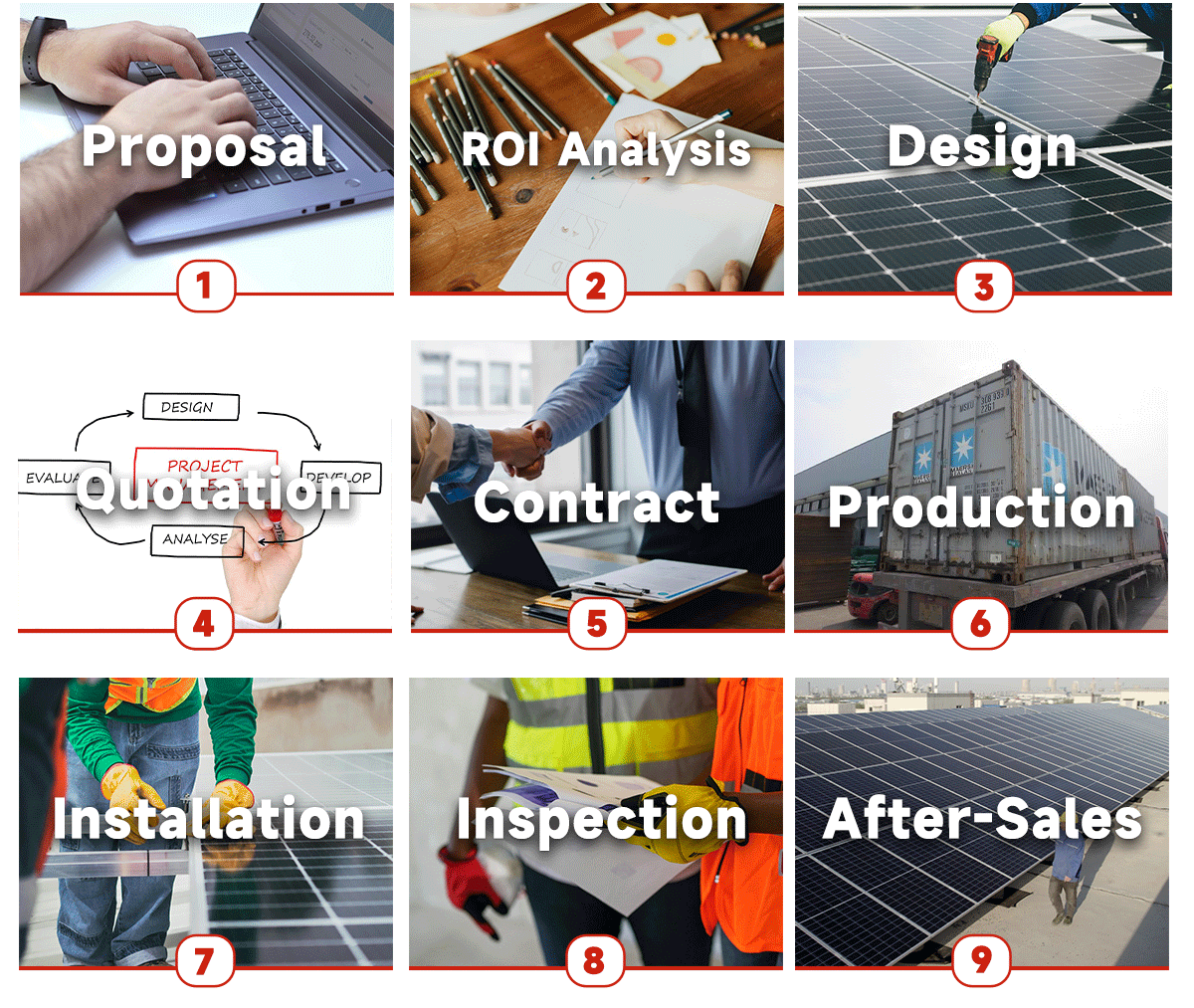
Useful inputs include the parking layout and vehicle circulation, the number of vehicles to be covered, the required electrical configuration, local wind and snow loads, ground conditions for the foundations, and whether EV charging or battery storage is planned. Drawings or a site plan help confirm the structure. A preliminary solution and quotation are provided at the enquiry stage, and installation drawings follow after cooperation is confirmed.




 EN
EN