
 EN
EN
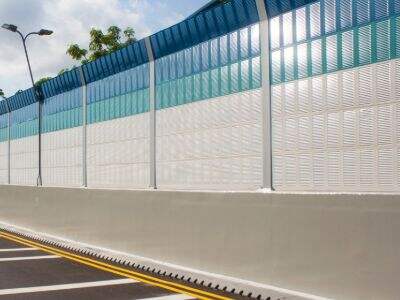
If you're preparing to bid on bridge noise barrier retrofits, there’s much to manage. It’s not as simple as price or materials. The work consists of figuring out the type of noise barriers that are required, how they would be constructed on the existing bridge and if there may be any rules or regulations to follow as far as safety goes. In some cases, Noise Barrier also need to squeeze into a narrow space or complement the bridge’s design. At other times, the weather and general wear are top of mind. You do have to think about all these things when you’re bidding so the end result is strong, safe, and lasts a long time. At Jinbiao, we’ve discovered that each project has its unique set of challenges and the sooner you know what these are, the less likely there’ll be any surprises further down the line.
Key Bid Factors for Wholesale Bridge Noise Barrier Retrofits
Professional bridge noise barrier retrofit wholesale bids require significant attention to detail. Like anything else, the first thing you have to consider is the material. Noise barriers can be constructed of metal, concrete or special sound-absorbing panels. Each material has its own response to sound and weather. For instance, metal barriers can rust if exposed to salt air and concrete crack if the mix isn’t correct. Selecting materials appropriate for the local conditions is cost-effective in the long term. There’s also the design — a lot is riding on that. Bridge Noise Barrier have to keep sound out but conform to the bridge’s rather unconventional shape. If a barrier is too high, it could obstruct drivers’ vision or spur wind problems. Too short, and it isn’t great at blocking out sound.
Where to Get Trustworthy Wholesale Bridge Noise Barrier Suppliers?
It can be difficult to find good suppliers for wholesale bridge noise barriers, but it’s one of the most crucial steps. Responsible suppliers furnish materials that meet quality and safety standards, which means barriers last longer and work better. We do need at jinbiao goo d supplier ready to delivery quality product on time. Occasionally, suppliers will promise swift delivery but send the goods late or damaged. This can wreck a project schedule and drive up costs. So it pays to choose suppliers who have good reviews or who have done work for names you trust. Another factor is verifying that the suppliers comply with local and international safety regulation. Materials used to make noise barrier panels must have high fire resistance, sound-blocking properties and strength.
Assessing Robustness and Acceptable Performance of Noise Barrier Retrofits
If you’re bidding on bridge noise barrier retrofits, one key point to consider is how durable and long-lasting the barriers are. Noise barriers are constructed to mitigate the sound of traffic so that people close by do not have to endure a loud background noise. If the barriers aren’t robust, they can break down, run up additional costs and elicit complaints from neighbors. At Jinbiao, we're all about selecting durable materials that can withstand varying elements such as rain, wind, and sun. When it comes to durability, much depends on the materials with which the noise barriers are made – concrete, metal or special plastics for instance. Each material has its pros and cons as well. Metal barriers, for example, may be strong but may rust if not treated well; plastic barriers are often rust-resistant but can crack under harsh sun. Jinbiao test these materials extensively before choosing one to ensure it will still work after years of use. Another issue to investigate is how well the barriers work in shielding noise.
What Are the Typical Obstacles to Bridge Noise Barrier Retrofit Bidding?
Bidding on bridge noise barrier retrofits can be complex, as there are several potential challenges that could arise during the project. Getting a sense of these challenges informs companies like Jinbiao so that they can prepare more aggressive bids and experience fewer problems later. Among the common challenges is addressing the bridge's superstructure (the portion of a structure that supports all other components). Bridges are typically old and not similarly designed or damaged, which may make the installation of new noise barriers more difficult. Sometimes the space allowed for barriers is tight—they may have an irregular shape and the design has to adjust accordingly. Jinbiao carefully examines the bridge in advance of bidding to be certain what it is going to take. Another problem is adhering to rules and requirement.